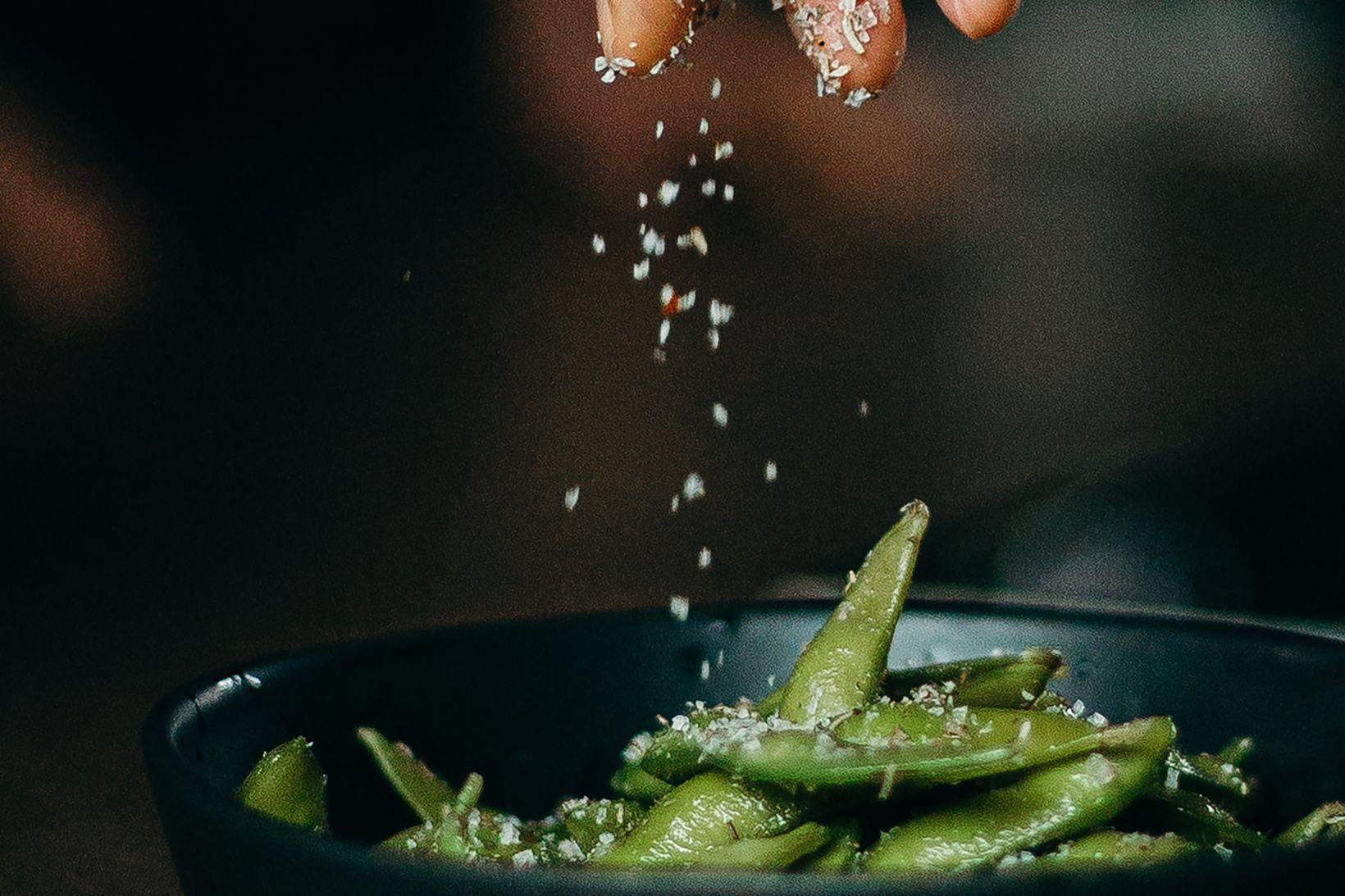
Once upon a time, food was something you grabbed between sights. You saw the monuments, ticked off the museums, and ate whatever was convenient along the way. For a growing number of travelers, that order has flipped entirely. The food is now the point, and everything else fits around it.
Culinary travel, planning trips around what and where you eat, has moved from a niche pursuit to a mainstream way of seeing the world. It turns out a region’s kitchens reveal as much about a place as its landmarks. Here is why food has become the compass so many travelers now follow.
Food as a Window Into Culture
A plate of food carries history, geography, and tradition in a way few experiences can match. What a region grows, how it cooks, and the way people eat together reveal the character of a place instantly. Through food, a destination tells you who it is.
That is why a meal can become the centerpiece of a trip, whether at a humble street stall or somewhere like O2 Resort Valle de Guadalupe and its kitchens, where local ingredients and regional wine express the landscape directly. Eating well becomes a way of understanding where you are.
The Rise of the Food-First Trip
More travelers now build entire itineraries around eating. They choose destinations for their markets, their regional specialties, or a single restaurant worth flying for. The meal is no longer an afterthought but the organizing principle of the whole journey.
This shift has reshaped the travel industry. Food tours, cooking classes, market visits, and tasting trails have exploded in popularity, catering to travelers hungry for authentic, hands-on culinary experiences rather than passive sightseeing.
Connecting With People Through the Table
Few things bring people together like food. Sharing a meal, learning a recipe, or chatting with a market vendor creates genuine human connection that ordinary sightseeing rarely offers. The table is where barriers fall and conversations begin.
These encounters often become the most treasured memories of a trip. Long after the photos fade, travelers remember the family who hosted a meal, the cook who shared a secret, or the stranger who recommended the perfect dish.
Seeking the Authentic and the Local
Culinary travel rewards curiosity and a willingness to go local. The best food experiences are rarely found in tourist hubs but in neighborhood spots, regional markets, and family kitchens where tradition runs deep. Seeking them out leads you off the beaten path.
This pursuit of authenticity naturally enriches travel. Following the food often leads to neighborhoods and regions you would otherwise miss, offering a more genuine and rounded picture of a place than the standard tourist circuit ever could.
How to Travel With Your Taste Buds
Getting started is easy. Research a region’s signature dishes, seek out markets and local eateries, and stay flexible enough to follow a recommendation. The best culinary discoveries often come from a tip, a wrong turn, or simply asking a local where they eat.
Consider weaving food into the structure of the trip itself, from cooking classes to wine pairings to long, unhurried meals. When you let your appetite lead, travel becomes richer, more social, and far more memorable.
Savoring the Experience, Not Just the Meal
Culinary travel is about more than the food on the plate. It is the market at dawn, the smell of a busy kitchen, the ritual of a long lunch that stretches into the afternoon. The setting and the people are as much a part of the experience as the flavors themselves.
Slowing down to savor all of it is what makes this kind of travel so rewarding. Rather than chasing the next attraction, you linger, taste, and pay attention, and in doing so you come away with a far deeper sense of the place you visited.
Frequently Asked Questions (FAQs)
1. What Is Culinary Travel?
It is travel planned primarily around food and drink, choosing destinations, activities, and itineraries based on what and where you want to eat. The culinary experience becomes the main motivation for the trip.
2. Why Has Food-Focused Travel Become So Popular?
Food offers an immediate, authentic window into a culture, plus genuine human connection. As travelers seek deeper, more memorable experiences, eating well has become one of the most rewarding ways to explore a place.
3. Do I Need a Big Budget for Culinary Travel?
Not at all. Some of the best food experiences are inexpensive street eats and market visits. Culinary travel spans every budget, from humble stalls to high-end tasting menus.
4. How Do I Find Authentic Local Food While Traveling?
Venture beyond tourist areas, visit local markets, and ask residents where they eat. Following recommendations from locals almost always leads to more authentic and memorable meals than guidebook listings alone.
5. Can Wine Regions Be Part of Culinary Travel?
Definitely. Wine regions are among the most popular culinary destinations, pairing local food with regional wines. They offer a complete experience that combines landscape, tradition, and exceptional eating and drinking.