When Basement Dreams Skip a Critical Step
Many homeowners get excited about turning their basement into something new, a family room, rental suite, or home office. It feels like a simple upgrade: add flooring, paint the walls, install lighting, and the space is ready. But what often gets missed is what’s happening behind those walls.
If the foundation has cracks or structural issues, no renovation will truly last. Moisture can creep in, walls can shift, and finished spaces can quickly become damaged. That’s why understanding the condition of your basement’s structure is the first and most important step before any transformation begins.
What Foundation Cracks Are Really Telling You
Not all foundation cracks are the same, but all of them deserve attention. Some are small and cosmetic, while others point to deeper structural movement in the home.
Cracks can develop due to soil pressure, seasonal temperature changes, water saturation around the foundation, or natural aging of concrete. Even thin hairline cracks may allow moisture to enter over time, which can lead to larger issues if ignored.
The key takeaway is simple: cracks are symptoms, not just surface flaws. They often signal that the foundation is under stress and needs evaluation before any basement upgrades begin.
How Structural Problems Can Disrupt Your Basement Plans
A basement renovation is only as strong as the structure it sits on. If foundation issues are present, they can create a chain reaction of problems.
Moisture is one of the most common concerns. Even small leaks can lead to damp walls, musty odors, and eventually mold growth. These conditions don’t just damage finishes; they can affect indoor air quality throughout the home.
Structural shifting can also cause uneven floors or wall cracks to reappear after finishing work is complete. In the worst cases, homeowners end up paying twice: once for the renovation, and again to fix underlying structural damage that was never addressed.
Why Repair Comes Before Renovation
Before choosing paint colors or flooring, the priority should always be stability. A basement must be structurally sound before it can safely become a livable space.
Foundation repairs help ensure that walls remain solid, moisture is controlled, and the space can support long-term use. Without this step, even high-end renovations are at risk of early damage.
It’s also a financial decision. Addressing foundation issues first prevents repeated renovation costs and protects the investment being made into the home. A finished basement should add value, not create future repair expenses.
Why Professional Repair Makes the Difference
Foundation repair is not something most homeowners should attempt on their own. The cause of cracks is not always visible on the surface, and treating only the symptoms can lead to recurring problems.
Professional assessment helps identify whether cracks are structural, how deep they extend, and what repair method is appropriate. Techniques like crack injection, reinforcement, and waterproof sealing are commonly used depending on the severity of the issue.
In many cases, working with specialists in Structural & Foundation Crack Repair, Winnipeg (MB) | (NRCG) ensures that the problem is addressed at its root. Proper repair creates a stable foundation, giving homeowners confidence that their future renovation will last.
Turning a Stable Basement Into a Livable Space
Once structural issues are resolved, the basement becomes a completely different opportunity. Instead of a risky space prone to damage, it becomes a blank canvas for transformation.
This is where design and functionality can finally take center stage. Homeowners can plan layouts for additional bedrooms, entertainment areas, home offices, or even rental suites. The key difference is that now the space is safe and reliable to build on.
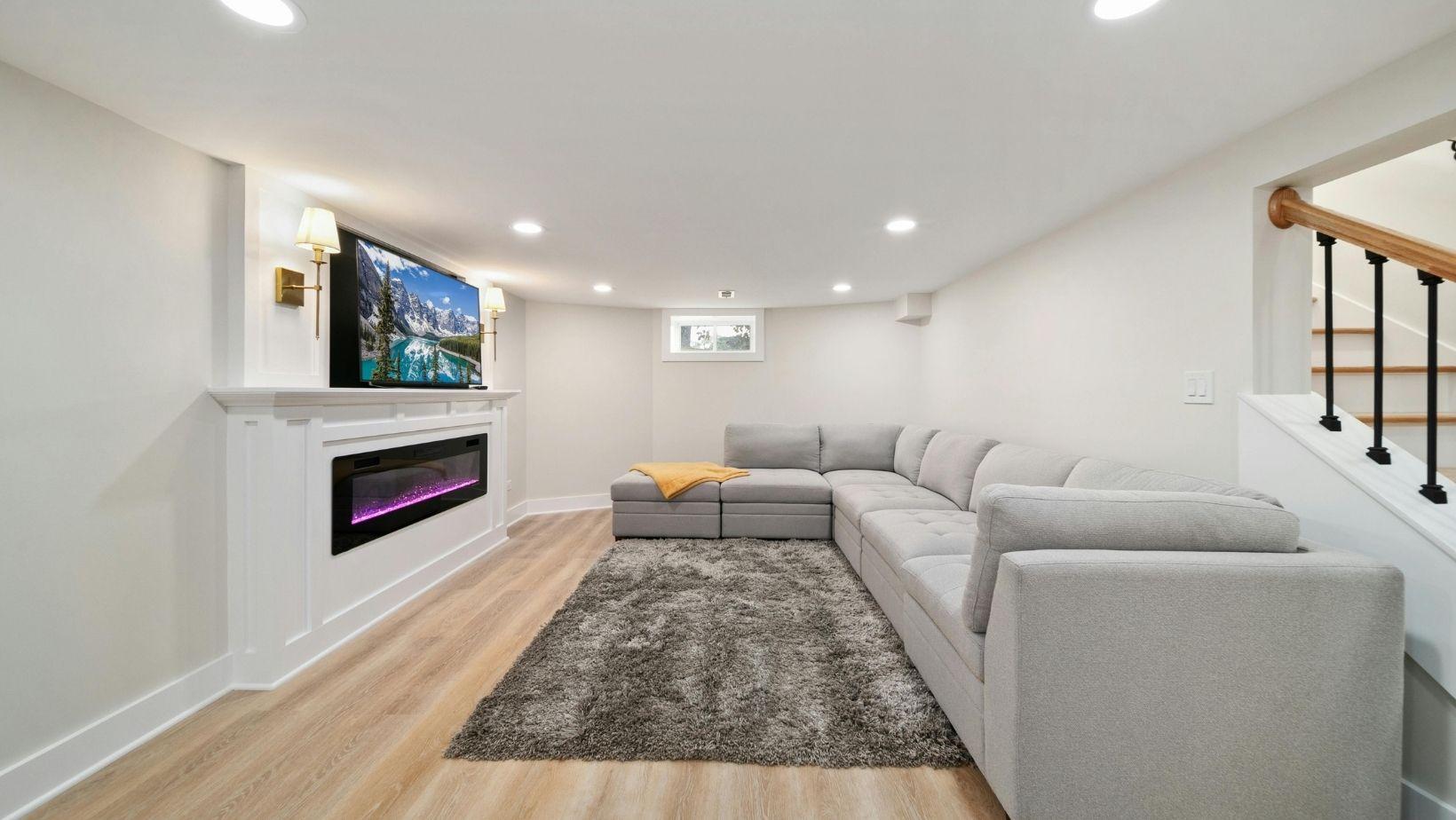
With a solid foundation in place, it becomes much easier to transform your basement with KMA Building into a comfortable and functional extension of the home. Renovation efforts can focus on design, efficiency, and comfort instead of worrying about hidden structural risks.
Planning a Basement That Lasts
After repairs are complete, the planning stage becomes more strategic. Waterproofing is often reinforced to prevent future moisture issues, and materials are chosen specifically for below-grade environments.
Design decisions can now be made with confidence. Flooring, lighting, and wall finishes will no longer be at risk of damage from unseen structural issues. This is also the stage where homeowners can think about long-term use, whether the space will be shared, rented, or used privately.
The difference between a rushed renovation and a properly planned one is often the foundation work completed beforehand.
The Long-Term Value of Doing Things in the Right Order
Taking care of structural issues before renovating is not just about avoiding problems; it’s about increasing long-term value. A properly repaired and finished basement adds usable square footage and improves overall property appeal.
Homes with stable, well-finished basements tend to perform better in resale situations because buyers see them as safe, functional spaces rather than potential repair risks. On the other hand, unfinished structural issues can lower property value or delay sales.
By prioritizing foundation repair first, homeowners protect both their investment and their living space for years to come.
Building Better from the Ground Up
A successful basement transformation doesn’t start with design; it starts with stability. When foundation cracks are properly addressed, everything built afterward becomes stronger, safer, and longer-lasting.
Skipping this step may seem faster, but it often leads to costly setbacks. Taking the time to repair first ensures that the finished space is not just beautiful, but built on something solid enough to last.