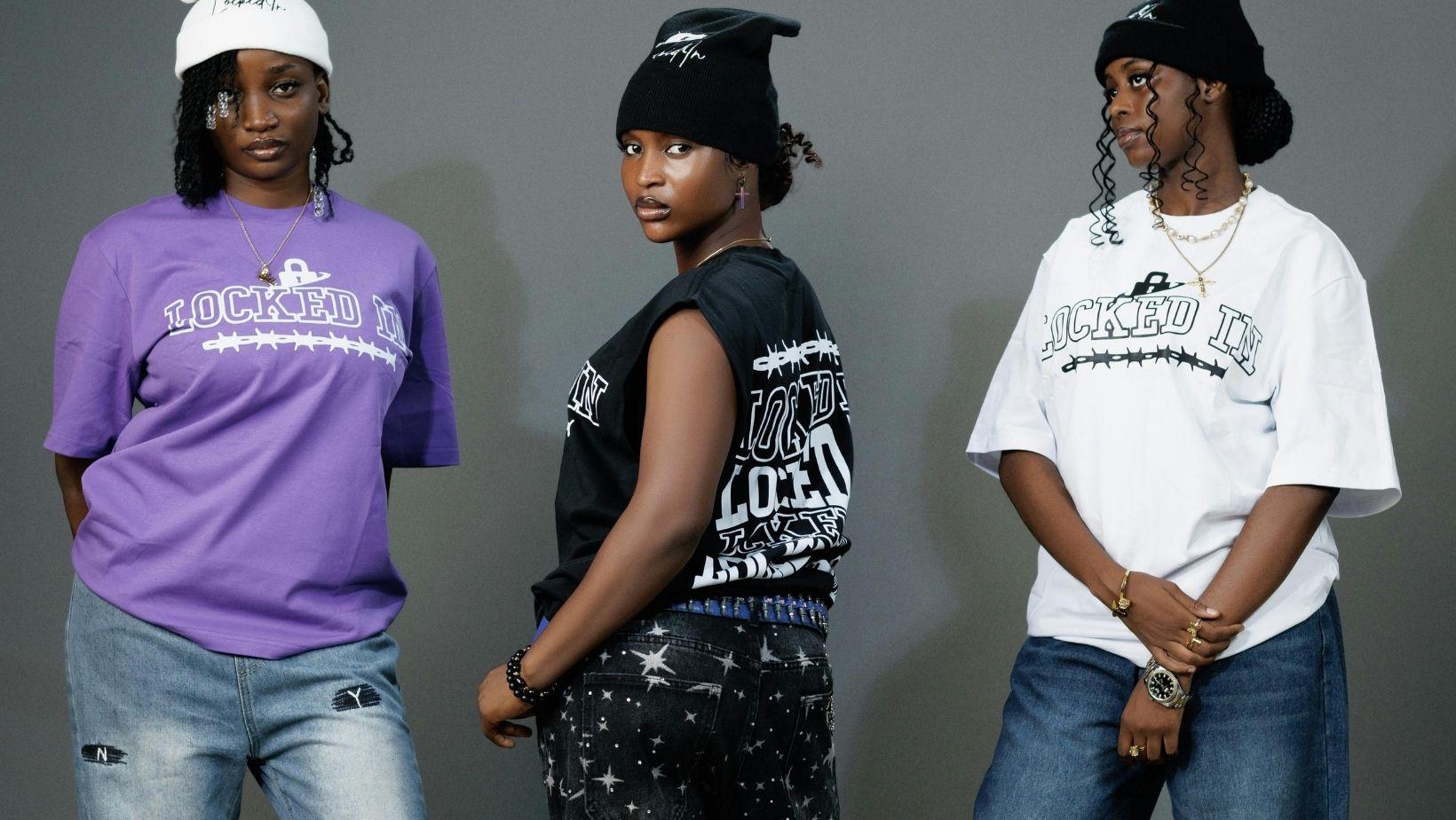
Layering is a functional method for dressing in varied weather while maintaining a personal aesthetic – this technique is flexible, provides depth and allows for new combinations of existing clothing. Layering is sometimes problematic because outfits can appear heavy or oversized if the process is not intentional. Success is dependent on balance, proportion and the interaction between different fabrics and cuts. When you consider these elements, layering is a way to improve an outfit without adding excessive volume.
Selecting Thin Base Layers
The first layer of an outfit is influential in maintaining a smooth silhouette. You can prevent a heavy feeling – starting with pieces that are thin and follow the lines of the body. Lightweight tops and smooth textures are effective foundations that support more clothing without adding mass.
Your choice of a base layer also determines the comfort of the entire outfit. Every additional item creates more volume when the foundation is thick or loose. If the inner layer is simple, outer pieces are able to hang naturally and stay structured.
Balancing Fabric & Fit
Materials are significant factors in how layered outfits look. Thick fabrics are naturally structured – using many of them together creates a stiff appearance. You can maintain balance – mixing light fabrics with a few structured items.
Fit is also a necessary consideration – Outfits are more successful when proportions are controlled to avoid too much fabric in one area. Pieces that are semi fitted or slightly tailored allow for movement and keep the look clean.
Managing Proportion & Length
Proportion is a central element in preventing an outfit from looking heavy. You can create separation between items – combining pieces of different lengths. A balanced look is often the result of pairing short inner layers with longer outer pieces.
Variations in length are useful because they draw the eye up and down, which makes the outfit appear thin. You can lower visual weight – ensuring that hems do not all end at the same horizontal line.
Selecting Outer Layers
Outer pieces are important because they define the shape of the outfit. Structured jackets or open cardigans add dimension without pressing down on the clothing underneath. It is also helpful to leave some space between the body and the outer garment to maintain a refined appearance.
Avoiding too many heavy outer pieces is a practical strategy – One primary outer layer is usually enough to finish an outfit. Multiple thick layers can make an outfit feel tight and disrupt the balance.
Coordinating Colors
Color is a subtle factor in how people perceive layers – An outfit looks crowded when colors are too different or visually heavy. You can make different pieces look unified – using a limited set of colors.
Using similar tones or colors from the same family reduces visual breaks – this allows a person to look at the outfit without distraction, which makes the layers feel like a single unit rather than a bulky collection.
Refining with Details
Accessories are useful for improving a layered outfit – Belts are helpful for defining the waist and preventing a square shape. Small items like jewelry are effective for drawing attention to specific areas without adding physical mass. Even small details, like body jewelry, are beneficial for a polished look when they are minimal.
The final steps of styling are often about restraint – Selecting fewer items with a clear purpose helps maintain a clean look. Layering is an expressive tool when every piece is necessary.
Using Openings & Gaps
Intentional space between layers reduces the feeling of heaviness. You can prevent layers from appearing too tight – leaving jackets unbuttoned or wearing open shirts over fitted tops – these gaps help define each piece as an individual item.
Small breaks in the structure make the overall shape appear lighter. Adjustments like rolling up sleeves or showing a small part of an inner layer are effective for reducing visual weight – this method keeps the outfit clean and balanced.
Conclusion
Styling layers effectively is a matter of control, balance and careful selection. An outfit stays structured when every layer has a specific function and works with the other pieces. You can maintain a clean silhouette – focusing on fabric weight, fit and proportion. Layering is a reliable way to prepare for different environments while keeping a polished appearance.