Wellness used to be just about a gym membership; maybe a salad on a Monday if you felt particularly guilty about the weekend. But things have changed. Now, we’re seeing a massive shift in how people view their own bodies. It’s no longer about fixing a single problem when it breaks; instead, the focus has moved toward a total system overhaul. This new wave of holistic health isn’t just a collection of fads. It’s a fundamental redefinition of what it actually means to be “well.”
The current landscape’s messy but exciting. We’re moving away from the idea that health’s found in a pill bottle or a specific diet plan. People are looking at the intersections of their lives: how sleep impacts skin, how stress hits the gut, and how the environment dictates mood. This isn’t about perfection. It’s about harmony. We’re finally starting to realize that the body doesn’t work in silos. Everything’s connected. If you’re stressed at work; your digestion suffers. If you don’t sleep; your skin looks dull. It’s a giant, complex web.
The Shift Toward Precision and Personalization
We’ve entered an era where “one size fits all” is essentially a dead concept. If you look at how people are managing their health now, it’s deeply individual. Bio-individuality’s the word of the day. Everyone has a different genetic makeup; a different microbiome; a different stress tolerance. Because of this, the trends we see are becoming increasingly data-driven. We’re moving away from generic advice and toward protocols that actually mean something for the individual.
- Biometric Tracking: We aren’t just counting steps anymore. People are monitoring heart rate variability; glucose levels; even nervous system states in real-time.
- Functional Nutrition: It’s less about “dieting” and more about using food as a targeted tool for specific biological outcomes like cognitive clarity or hormone balance.
- Circadian Optimization: Aligning your life with natural light cycles moving from niche “biohacking” to a standard lifestyle pillar.
This data provides a map, but the holistic part’s how we use it. It’s not just about the numbers on a screen; it’s about how those numbers feel in your daily life. We’re seeing a real pushback against the “over-optimization” of the past few years. People are tired of being slaves to their wearables. The trend now’s using that data to find a baseline of peace, not just a peak of performance. It’s about finding that sweet spot where you’re healthy but also actually enjoying your life.
The Integration of External and Internal Care
One of the most interesting developments is how the line between “beauty” and “health” has basically vanished. In the past, you had your skincare routine and you had your vitamins. They lived in different cabinets. Today, they’re part of the same conversation. There’s a growing realization that your face’s a billboard for your internal health. You can’t just slap a cream on a problem and expect it to go away if the root cause is internal inflammation.
When we talk about the skin as an organ, we start to see it as a diagnostic tool. If there’s inflammation inside, it shows up outside. This has led to a massive rise in treatments that bridge the gap between clinical intervention and wellness ritual. We’re seeing a huge interest in medical aesthetic products that do more than just mask a symptom; they actually work with the body’s natural regenerative processes. It’s a more sophisticated way of looking at aging. Instead of trying to stop time, the goal’s to optimize the health of the cells so the body functions; and looks; its best for as long as possible. This approach isn’t about vanity. It’s about maintaining the structural integrity of the body’s largest organ.
This integration’s why we see “longevity clinics” popping up everywhere. They aren’t just salons; they aren’t just doctor’s offices. They’re hybrid spaces where you might get a vitamin IV drip, a session in a hyperbaric chamber, and a high-tech facial all in one afternoon. It’s an acknowledgment that looking good and feeling good are two sides of the same coin. We’re moving toward a world where self-care is seen as a legitimate form of health maintenance.
The Rise of Neurowellness
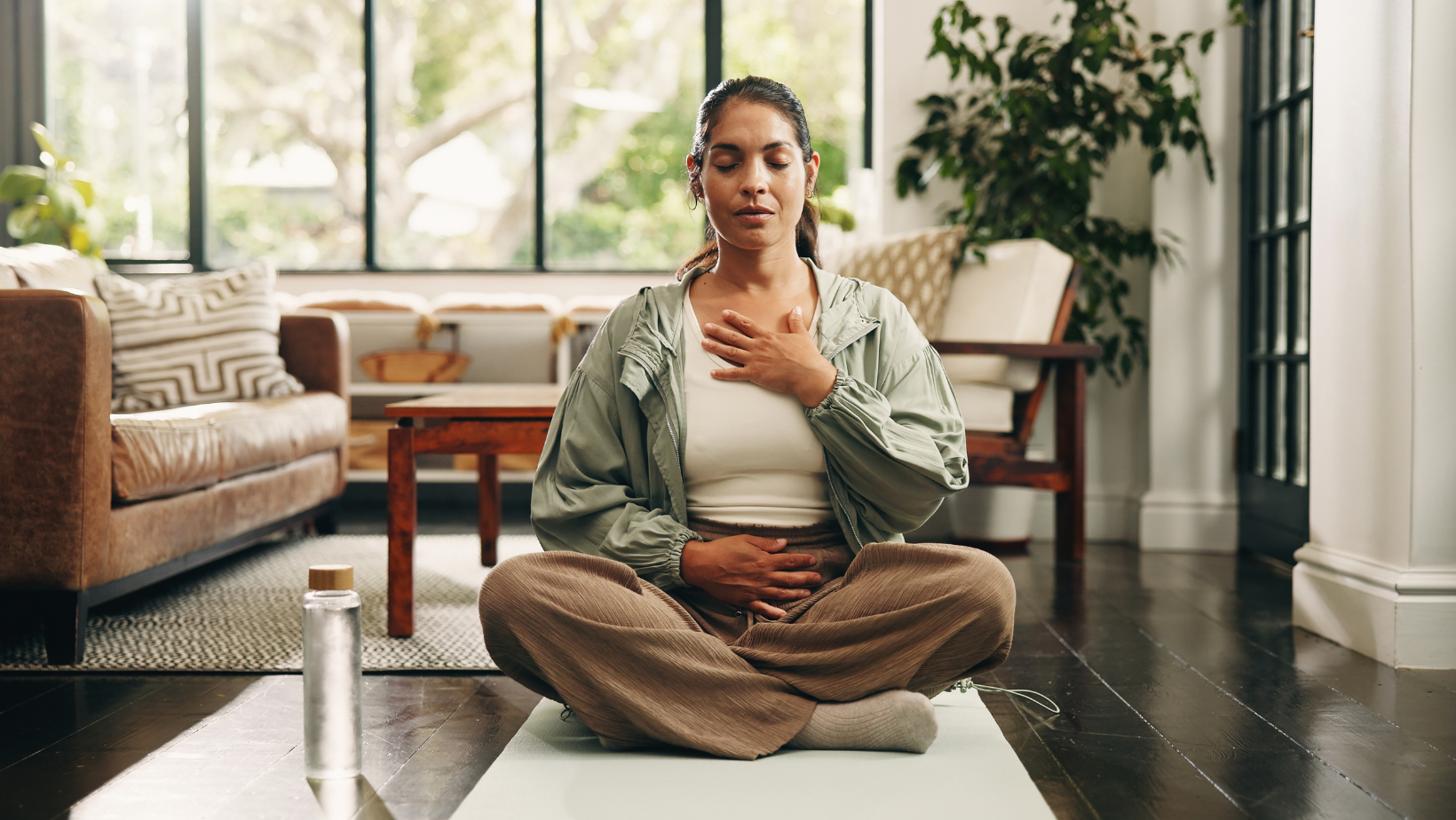
If 2024 was about gut health, 2026’s definitely the year of the nervous system. We’re finally admitting that our brains are fried. The constant digital noise has left everyone in a state of low-grade fight-or-flight. This’s where “neurowellness” comes in. It’s a trend that focuses entirely on regulating the nervous system. We’re moving away from the idea that stress is just “part of the job” and toward the idea that it’s a physiological state that needs to be managed.
- Somatic Practices: Movement that focuses on internal sensation rather than external calorie burning.
- Vagus Nerve Stimulation: Using everything from cold plunges to specialized breathing to “reset” the body’s stress response.
- Sound and Frequency Healing: Using acoustics to shift the brain into deeper states of relaxation or focus.
This shift’s crucial because it acknowledges that you can’t be “healthy” if your mind’s constantly screaming. It’s a very grounded, biological approach to mental health. It moves the conversation away from just “thinking positive” and toward actually changing the physiological state of your body. We’re learning that we can actually train our bodies to be calm. It’s not just a personality trait; it’s a skill.

Environmental Health as Personal Health
We’re also seeing a massive trend toward what people are calling “environmental wellness.” This goes way beyond just recycling. It’s the realization that the air we breathe, the water we drink, and the materials in our homes are all part of our health equation. People are becoming obsessed with indoor air quality and non-toxic living spaces. It’s a logical extension of the holistic mindset. If you’re eating clean and working out, but you’re sleeping on a mattress that’s off-gassing chemicals, are you really healthy?
The focus here’s on the “exposome”; the total sum of environmental exposures over a lifetime. It sounds intense, but the trend is actually quite calming. It’s about simplifying. It’s about getting back to natural materials and cleaner environments. We’re seeing a rise in “biophilic design” in homes; basically bringing the outside in to help lower cortisol levels. It’s another example of how we’re redefining what it means to take care of ourselves.
Why This Matters for the Future
The reason these trends are sticking’s because they offer a sense of agency. The old healthcare model felt very passive; you wait for something to go wrong, then you go to a professional to get it fixed. This new holistic approach’s active. It puts the tools in your hands. It’s about being the CEO of your own biology.
It’s also more sustainable. When you understand the “why” behind your habits, you’re much more likely to keep them. We’re seeing a move toward “slow wellness.” It’s the opposite of the 30-day challenge. It’s the realization that health’s a lifelong practice of adjustment and refinement. It’s about building a body; and a life; that’s resilient enough to handle whatever comes next.
We’re also seeing a change in how we measure success. It’s no longer just about the number on the scale. It’s about how much energy you have at 4 PM. It’s about how well you recover from a stressful event. It’s about the quality of your relationships and your sense of purpose. This’s the true meaning of holistic. It’s the whole picture.
The redrawing of these boundaries makes health feel less like a chore and more like an exploration. We’re learning to listen to our bodies again. We’re learning that we have more control than we thought. And honestly; it’s about time we stopped settling for just “not sick” and started aiming for actually thriving. This shift in perspective’s the most important trend of all.