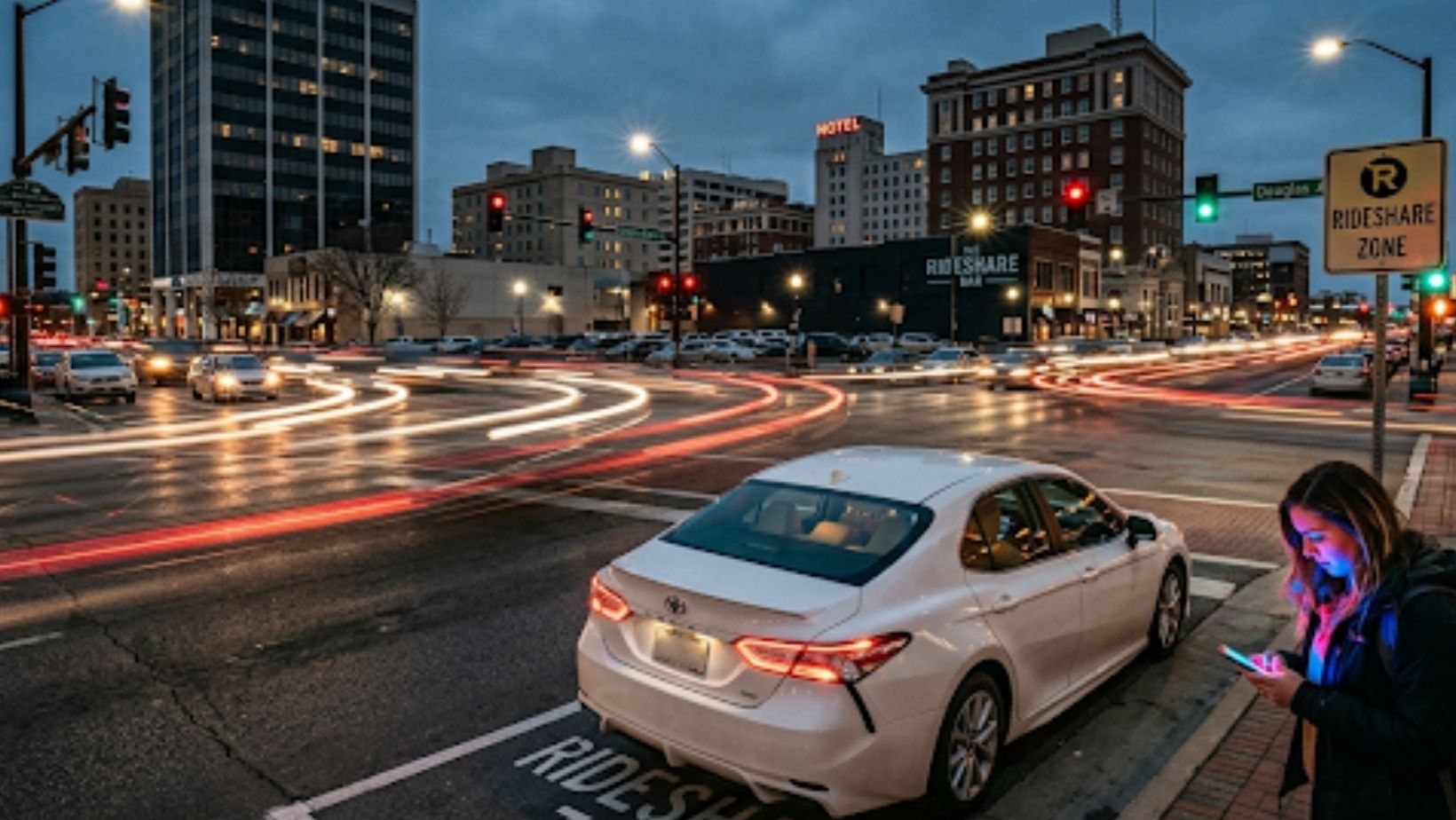
Almost 3 billion people take rideshare trips each year as people increasingly ditch private car ownership for the convenience of apps. This massive volume of traffic has forced city planners to reconsider how streets are designed and how safety is measured. In many metropolitan areas, the influx of vehicles has led to more congested curb spaces and a higher frequency of sudden stops in active lanes.
The rapid rise of these platforms has created unique challenges for local governments seeking to maintain order on public roads. While the service provides a valuable alternative to impaired driving, the sheer density of professional and semi-professional drivers on the road introduces new risks. Distraction is a constant factor, as drivers must interact with their phones to accept new fares or navigate unfamiliar neighborhoods.
Data Insights and the Reality of Driver Risk
Traditional commuters typically follow a predictable route twice a day, but rideshare drivers are often on the clock for eight to twelve hours at a time. This extended time behind the wheel leads to physical exhaustion and an increased risk of mechanical wear and tear on the vehicle.
Current trends indicate that rideshare drivers are 73% more likely to be in an accident than the general public. This stat underscores why local governments are so focused on creating safer environments.
Cities are now looking at how to integrate these statistics into their broader traffic safety goals. Many have adopted “Vision Zero” initiatives aimed at eliminating all traffic fatalities through better infrastructure and stricter enforcement of traffic laws. Because rideshare drivers spend so much time in high traffic areas, they are disproportionately affected by these policy changes and infrastructure upgrades.
- Dedicated pickup and dropoff zones to reduce double parking
- Stricter vehicle inspection requirements for older car models
- Mandatory rest periods enforced by the rideshare application
When a collision does occur, the legal path forward is often more complex than a standard fender bender, especially if you’re visiting a state in which you’re not a resident. For example, on a trip to Kansas, victims need to consult an Uber & Lyft crash attorney in Wichita to navigate the different “periods” of insurance coverage provided by the platforms and unpack them under regional rules. Whether a driver is waiting for a ride or has a passenger in the seat determines which policy applies to the damages.
Modern Accountability and Local Regulation
Public safety advocates argue that the burden of safety should not fall solely on drivers or cities, but on tech companies themselves. There is a growing push for better data sharing between rideshare apps and municipal traffic departments, provided cybersecurity is taken seriously. By understanding where most “near-miss” incidents occur, engineers can redesign intersections to be safer for everyone.
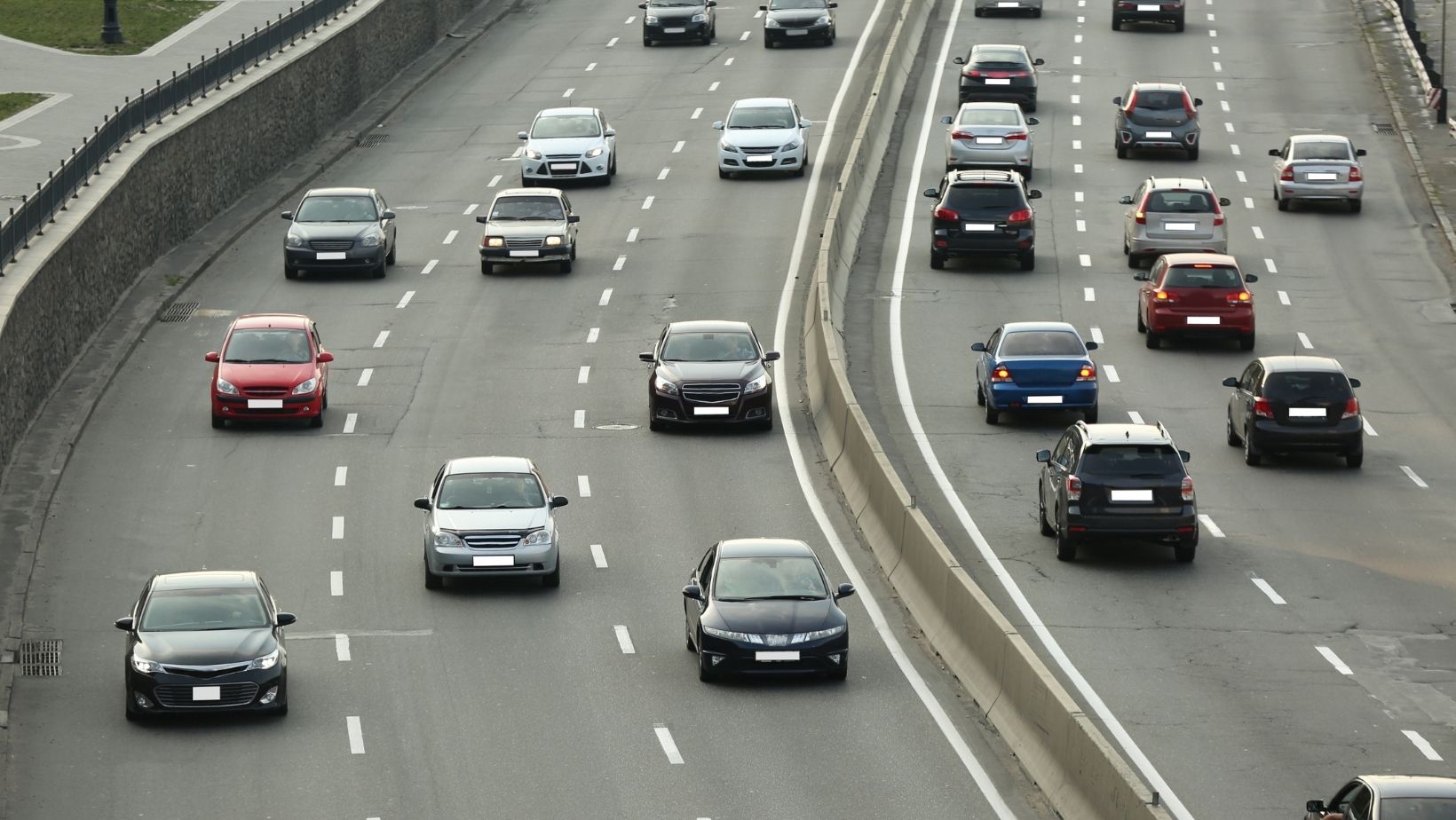
The introduction of autonomous vehicle testing into the rideshare ecosystem has added another layer of complexity to this discussion. A 2026 Consumer Watchdog report highlighted concerns that automated fleets might undermine legal accountability for accident victims. As these technologies evolve, the legal framework must keep pace to ensure that public safety remains a right rather than a luxury.
Communities are finding that the best approach is a combination of education and enforcement. Drivers need to be aware of the specific hazards of urban driving, such as increased bicycle traffic and pedestrian crossings. Meanwhile, cities must provide the infrastructure, such as better lighting and clearer signage, to help drivers navigate safely during night shifts when visibility is at its lowest.
Future Infrastructure for a Connected World
As we look toward the next decade, the way we think about “transportation safety” will likely shift from reactive to proactive. Smart traffic signals that can communicate with rideshare apps to warn of upcoming hazards are already being tested in several pilot programs. This connectivity could significantly reduce the number of rear-end collisions and intersection accidents that plague busy downtown corridors.
If the goal is a safer city, then the most frequent road users must be the primary focus of safety upgrades and legislative protections. The shift toward a more connected and service-based transportation model is inevitable. By focusing on accountability, clear insurance protocols, and smarter street design, cities can enjoy the benefits of ridesharing without compromising residents’ safety.
Check out our blog for more insights on a whole range of topics, from urban safety and city planning to local news stories that matter to you.