Road infrastructure is becoming increasingly connected. Traffic cameras, automated recognition systems, parking sensors, and other digital tools can collect information about vehicles as they move through cities. This development improves automation, but it has also made vehicle privacy a growing topic in discussions about modern transportation.
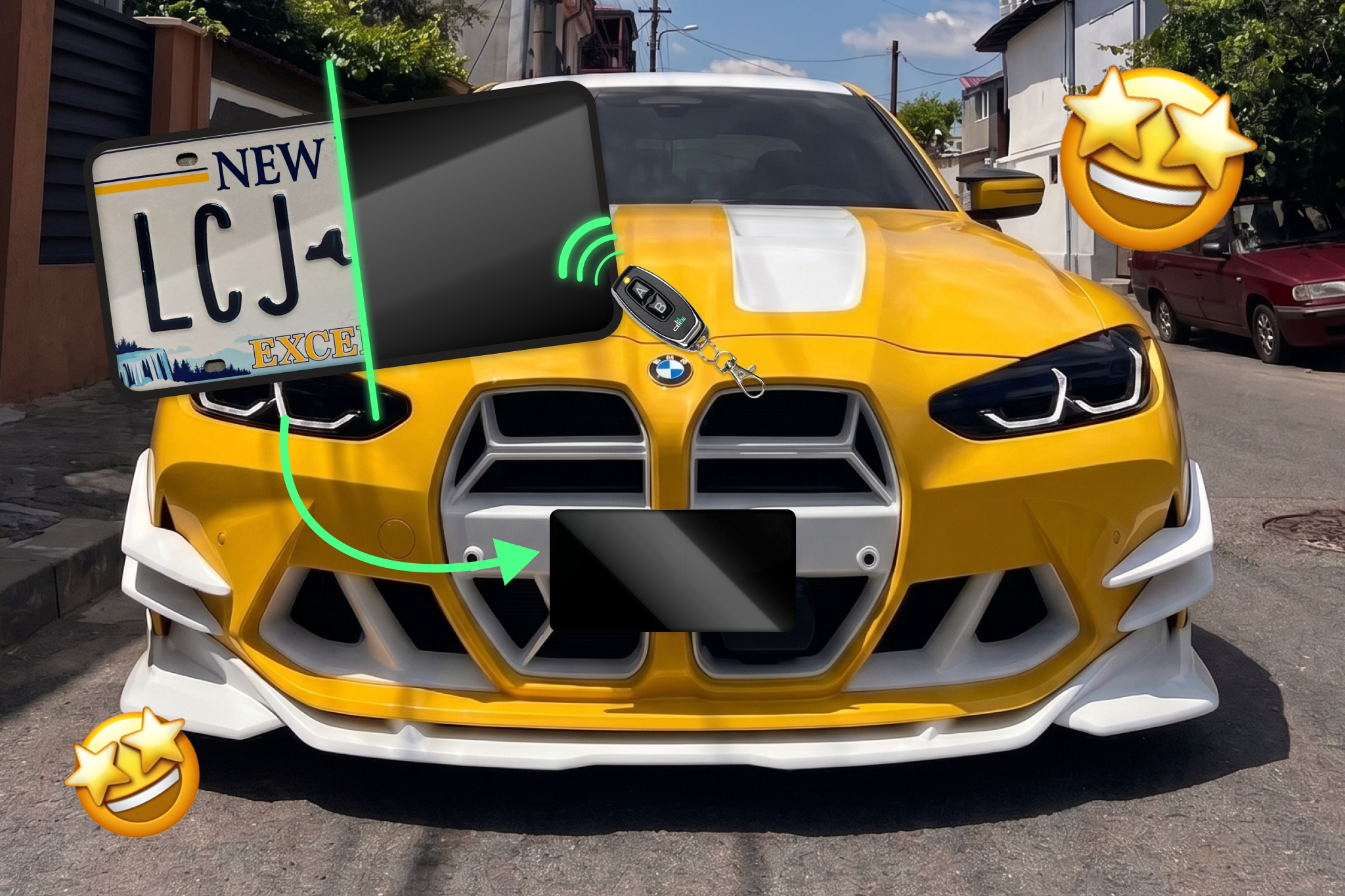
Alite Blackout fits into this broader conversation as an electronically controlled license plate accessory. Its switchable panel provides a physical way to control whether the plate is visible through the cover, showing how privacy-focused automotive technology can extend beyond software and into vehicle hardware.
Cars Now Leave a Digital Trail
A modern vehicle interacts with infrastructure throughout a journey. Cameras can record traffic flow, parking systems can recognize vehicles entering specific areas, and connected road networks can process large amounts of visual information.
This creates a major difference from traditional roads. A car is no longer observed only by other drivers or pedestrians. It can also interact with automated systems capable of recording and processing information without direct human involvement.
As this infrastructure expands, questions about when vehicles are observed, what information is collected, and how long that information remains available are becoming increasingly relevant.
Vehicle Privacy Is More Than Cybersecurity
Discussions about automotive privacy often focus on connected apps, infotainment systems, GPS data, and manufacturer servers. These are important areas, but they represent only one part of the issue.
Vehicles can also be identified through information visible on the exterior. This means privacy can involve several different layers:
Understanding these layers is important because protecting digital accounts does not change what external infrastructure can physically observe.
Physical Privacy Meets Electronic Control
This is where products such as Alite Blackout represent an interesting technological category. Instead of managing information after it has been collected, the system operates directly at the vehicle surface.
The panel is positioned in front of the license plate. In its transparent state, the number remains visible. When activated, the panel becomes dark and obscures the plate from direct visual capture, including cameras.
The concept connects electronic control with a physical privacy function. Rather than changing stored data or modifying software settings, it changes what can be seen through the panel itself.
Privacy Will Become Part of Automotive Design
As roads become smarter, discussions about vehicle privacy are likely to expand beyond smartphones and connected-car accounts. Cameras, recognition systems, vehicle-to-infrastructure communication, and automated services are creating more points of interaction between cars and their surroundings.
This does not make every form of data collection inherently problematic. Many systems support traffic management, access control, safety, and other legitimate functions. The important change is that drivers are becoming more aware of how frequently vehicles interact with digital infrastructure.
Products such as Alite Blackout illustrate another side of this technological shift. Smart roads are increasing the ability of infrastructure to observe vehicles, while new automotive accessories are exploring ways to give users more direct control over the visibility of physical vehicle information.