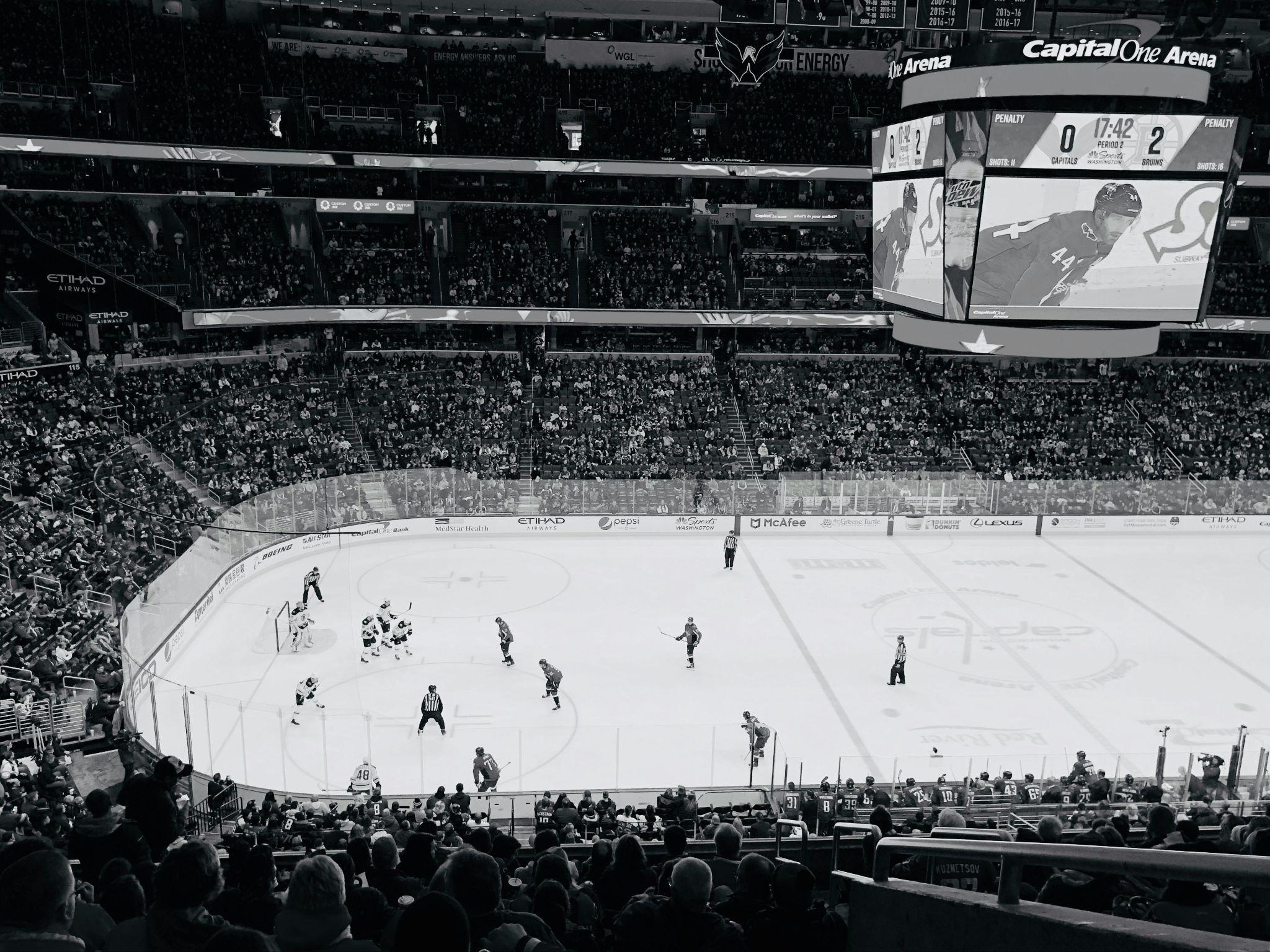
Hockey, at its core, looks chaotic. Players dart, collide, recover, and accelerate again in what seems like pure improvisation. But that impression fades quickly for anyone who watches closely. Beneath the speed lies structure, something closer to a fingerprint than a formula. Every team carries a distinct identity, and that identity quietly dictates how a game unfolds, shift by shift. Some teams stretch the ice and attack relentlessly. Others compress space, suffocate lanes, and wait for mistakes. The fascinating part? These stylistic choices don’t just affect outcomes; they shape the very flow of the game. Tempo rises or falls. Momentum swings or stalls. And sometimes, a match becomes less about skill and more about which identity asserts itself first.
The DNA of a hockey team
A team’s identity doesn’t appear overnight. It’s built from coaching philosophy, roster composition, and, frankly, cultural habits inside the locker room. Take structured teams that rely on strict positional play. Most choose tight defense, careful escapes, then smart advances. Tracking numbers from the NHL show squads favoring organized exits manage nearly 15 percent more effective shifts than those dumping and rushing. Yet some crews run on feel – loaded with top-tier attackers – who dart through gaps, make it up as they go, welcoming lost pucks now and then. True, it looks chaotic – yet that chaos sometimes cracks strict systems. Speedy, smaller forwards tend to chase the puck relentlessly, their game built on quick transitions. On the flip side, squads leaning on bigger defenders usually dig into corners, grinding shifts through strength. Actually, this goes beyond tactics. It’s less about forcing a style, more about shaping what players bring on their own. The coach sharpens, does not create.
Tempo: the invisible hand of style
Tempo in hockey isn’t just about speed; it’s about control of pace. Some teams accelerate the game deliberately, while others slow it down to a near chess match. Fast-moving squads create more shots yet give up more, too. That same year, the league’s quickest five clubs saw over 62 shot attempts nightly on their side of play – just about matched by what came back at them. These games feel breathless. End-to-end rushes. Quick line changes. Mistakes happen, but so do moments of brilliance. And here’s where things get interesting: betting platforms like 1xBet Ice Hockey often reflect these stylistic differences in live odds, adjusting rapidly as tempo shifts mid-game. Some teams move at a crawl, yet keep things steady. Puck dumping comes first, then long cycles along the walls instead of rushing shots. Because they value control more than volume. Sure, excitement takes a hit. Still, the results show up clearly on defense. These groups regularly give up fewer dangerous looks per matchup.
Physicality vs skill: a constant tug of war
Hockey has always balanced finesse and force. But different teams lean heavily toward one side, and that tilt reshapes how games feel. Physical teams aim to wear opponents down. Hits accumulate. Space disappears. Over time, even the most skilled players hesitate, just slightly, but enough. Studies from league analytics show that teams averaging over 25 hits per game reduce opponent shot accuracy by nearly 3%. It’s subtle, yet significant. Skill-heavy teams, meanwhile, rely on puck control and spacing. They create passing lanes, stretch defenses, and exploit gaps. Well, yes, this style looks cleaner. But it requires precision. A single misread can lead to an odd man rushing the other way.
Special teams: style under pressure
Out of nowhere, power plays expose what a team truly is. When pressed, their real habits show. Instead of standing still, some stack near the blue line, banking on slapshots and loose pucks. Movement defines others – players shifting positions, blurring roles just enough to throw off coverage. Most goals happen when a team moves the puck fast during power plays – five passes each time make a difference. When down a player, rushing the opponent with speed causes mistakes under stress. Sitting back instead means closing gaps near the goalie and cutting off shots. One way isn’t always right – it comes down to how well players carry it out. Still, picking one reveals what kind of team they are: bold or careful.
When identities clash
The most compelling games happen when contrasting styles collide. A fast, offensive team versus a disciplined, defensive unit. A physical roster against a finesse-driven lineup. These matchups create tension. Most times, one squad pushes fast while the other holds back. This creates a shifting battle of pace that changes as minutes pass. Stats from past games reveal something odd – sides matching their usual rhythm claim about 65 percent of these clashes. Victory comes less from skill, more from sticking to familiar patterns.
Conclusion
Hockey may look unpredictable, but its flow is anything but random. Every pass, every hit, every line change reflects a deeper identity shaped long before puck drop. Understanding this changes how the game feels. It’s no longer just about scoring; it’s about rhythm and subtle dominance. A fast team forcing chaos. A disciplined team restoring order. And somewhere in between, the real battle unfolds, not just for goals, but for the right to define how the game is played.