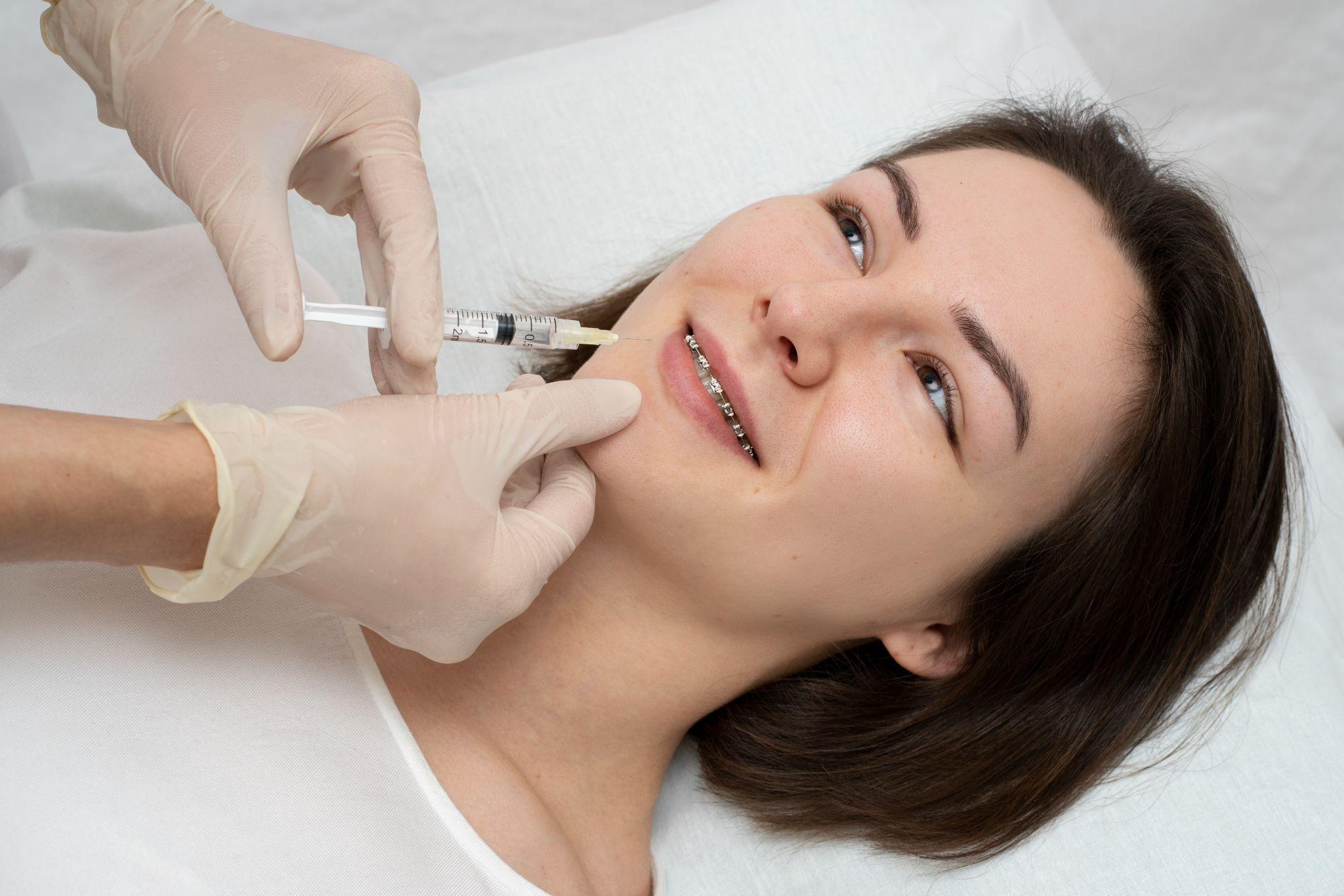
Medical aesthetics is one of the fastest-growing corners of healthcare, and nurses are helping drive that growth. Pursuing nurse injector certification is quickly becoming a popular next step for registered nurses (RNs), licensed practical nurses (LPNs), and nurse practitioners (NPs) who want to move beyond traditional bedside care. This guide walks through what that path actually looks like, from licensing basics to hands-on training and career outlook.
Why More Nurses Are Choosing Medical Aesthetics
The demand for Botox, dermal fillers, and other non-surgical cosmetic treatments has climbed steadily over the past decade, and industry researchers expect that trend to continue as more patients seek preventive and maintenance-style treatments rather than surgery. For nurses, that growth translates into real opportunity.
A few reasons this shift is happening:
- Flexible scheduling. Aesthetic clinics and medical spas often offer more predictable hours than hospital shift work.
- Higher earning ceilings. Experienced injectors can out-earn many traditional nursing roles once they build a steady client base.
- Skill-based advancement. Injecting rewards precision and ongoing learning, which appeals to nurses who want to keep developing clinically.
- Patient relationships. Injectors often build long-term rapport with clients, seeing the same patients every few months.
How to become a certified nurse injector?
Becoming a certified nurse injector starts with a valid nursing license, but licensing alone does not authorize anyone to inject. Every state sets its own rules about who can perform injectable treatments and under what kind of supervision, so understanding your state’s scope-of-practice laws is the first real step.
State Licensing and Scope of Practice
In most states, RNs can administer Botox and filler treatments, but only under the direction or standing order of a supervising physician or nurse practitioner. NPs generally have more independence, though this still varies by state. Before enrolling in any aesthetic nurse injector training, it is worth confirming:
- Whether your state requires physician oversight for injectables
- What documentation or standing orders your employer will need
- Whether continuing education hours are required to maintain certification
Core Skills Covered in Quality Training Programs
Solid Botox and filler training goes far beyond needle technique. Reputable programs typically build competency in:
- Facial anatomy, including muscle groups, vascular structures, and danger zones
- Product knowledge for different neuromodulators and filler types
- Patient consultation and realistic expectation-setting
- Injection technique for common treatment areas
- Complication recognition and emergency response protocols
Programs that combine classroom instruction with live, supervised patient practice tend to produce more confident, competent injectors than those relying on video modules alone.
How long does it take to become an RN injector?
Most foundational Botox and filler certification courses take anywhere from a single weekend to a few weeks to complete, depending on how much live-patient practice is built in. However, becoming genuinely proficient usually takes longer than the course itself.
Many experienced injectors describe a realistic timeline like this:
- Initial certification course: Typically 1 to 4 days of instruction and supervised injecting.
- Mentored practice period: Several weeks to a few months working alongside an experienced injector.
- Building independent confidence: Often 6 to 12 months of steady practice before a nurse feels fully comfortable handling a full range of cases on their own.
This gradual build matters. Injecting is a hands-on skill, and repetition under supervision is what separates a nurse who passed a course from one who can consistently deliver safe, natural-looking results.
How much do Botox RNs make?
Compensation for nurse injectors varies widely based on location, employer type, and experience level, but the field is generally considered one of the higher-paying paths within nursing.
A few data points worth knowing:
- Average annual pay for aesthetic nurse injectors in the United States tends to fall somewhere in the $75,000 to $95,000 range, based on recent salary surveys.
- Experienced injectors with an established patient base, particularly in commission-based or hybrid pay structures, can earn well beyond $120,000 to $150,000 annually.
- Nurse practitioners who inject often earn 15 to 30 percent more than RNs at a similar experience level, largely due to broader scope of practice and prescriptive authority.
Location, clinic type, and how a nurse is compensated (hourly, salary, or commission on services performed) all play a significant role in take-home pay. Nurses working in busy urban med spas or physician-owned practices with strong patient volume often see the fastest income growth.
How do you become an injectable nurse?
Becoming an injectable nurse is a process, not a single certificate. It combines licensing, education, supervised practice, and a genuine commitment to patient safety.
Choosing Quality Hands-On Training
Not all certification courses are created equal. Programs vary in how much live-patient injection time they offer, how experienced their instructors are, and how thoroughly they cover anatomy and complication management. Nurses evaluating options often look for programs with small class sizes, licensed medical instructors, and documented hands-on hours. Resources like nurse injector certification through injectortraining.org can be a useful starting point for nurses comparing what a well-structured curriculum should include.
Committing to Ongoing Education
Aesthetic medicine changes quickly. New products, techniques, and safety protocols emerge regularly, which means certification is really the beginning of a career-long learning process. Nurses who stay current through advanced courses, mentorship, and professional networks tend to build the strongest reputations and the most sustainable client bases.
Practical Steps to Get Started
- Confirm your state’s scope-of-practice rules for RNs and NPs performing injectables
- Research training programs with strong hands-on components and experienced instructors
- Secure a supervising physician or collaborative agreement if your state requires one
- Complete your initial certification and seek a mentorship or shadowing period
- Pursue continuing education to stay current with evolving techniques and products
A Few Realistic Limitations to Know
- Certification does not automatically grant independent practice rights; state law still governs supervision requirements
- Course length and quality vary significantly, so due diligence matters
- Building a full client base and steady income typically takes months, not days
Final Thoughts
Nurse injector certification offers a structured path for RNs and NPs who want to combine clinical skill with a growing, patient-focused specialty. The transition takes real preparation, from understanding state licensing rules to committing to hands-on training and ongoing education. For nurses willing to put in that groundwork, the question is not just how to get certified, but how to build a practice grounded in safety, skill, and long-term trust with patients.