
Getting your first real look at the medical world before college is an experience that can change everything. A hospital hallway feels completely different when you’re the one walking through it with a purpose, not just visiting a sick relative.
Medical internships for high school students have grown in recent years, and for good reason. They bridge the enormous gap between reading about medicine in a textbook and witnessing how care is delivered by medical professionals in real-world settings.
If you’re considering a future in healthcare, this guide will help you know exactly what you’re stepping into.
You’ll Understand the Application Process
Getting into a medical internship as a high school student often requires more effort than simply signing up. Many programs ask for application forms, recommendation letters, and sometimes even short essays. These requirements are designed to assess your genuine interest in healthcare, not just your grades. Schools, hospitals, and private organizations want students who are motivated and willing to learn, even in challenging environments.
At times, competition can be quite strong, especially for well-known programs. That doesn’t mean you need perfect credentials to be accepted. Showing curiosity, responsibility, and a willingness to engage can go a long way.
It’s also a good idea to explore high school medical internships abroad to broaden your opportunities. Working internationally can expose you to different healthcare systems and cultural approaches to patient care, which helps strengthen your perspective.
You’ll Observe Clinical Environments
Observation is a common experience during a medical internship. You may spend hours watching doctors, nurses, and other healthcare professionals go about their daily routines, helping you develop early clinical skills. While this might sound passive at first, it can be incredibly eye-opening. You begin to see how decisions are made, how teams communicate, and how patient care unfolds in real time.
In some cases, you might be allowed to ask questions during or after observations. This is where your curiosity becomes valuable. Asking thoughtful questions can deepen your understanding and show mentors that you are engaged. Even when you are simply observing, you are learning how complex and dynamic healthcare settings can be.
You’ll Assist With Basic Tasks
Depending on the program and local regulations, you may have opportunities to assist with simple, non-invasive tasks. These could include organizing medical supplies, helping with paperwork, or guiding patients to different departments within medical facilities. While these responsibilities might seem small, they’re essential to the smooth functioning of healthcare environments.
Participating in these tasks gives you a sense of contribution. It also teaches you the importance of teamwork and attention to detail. Even something as simple as labeling documents correctly can have a significant impact in a medical setting. Through these experiences, you begin to understand that every role in healthcare matters, not just the most visible ones.
You’ll Learn Professional Etiquette
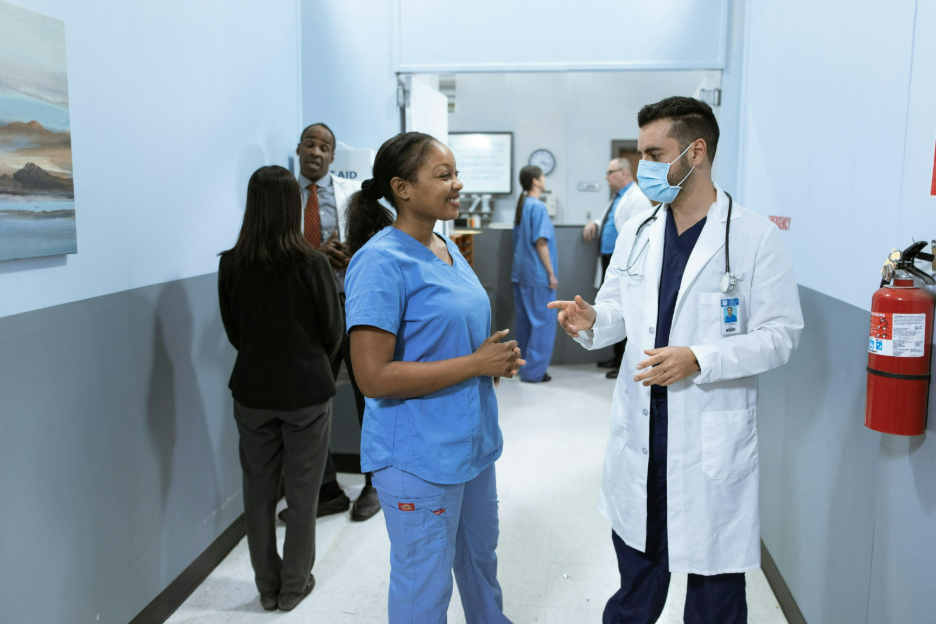
Working in a medical environment comes with expectations about behavior and communication. Internships often introduce students to professional etiquette, which includes how to interact with patients, staff, and supervisors. Respect, confidentiality, and clear communication are emphasized from the very beginning.
You may also learn about patient privacy and why it is critical in healthcare. Understanding these boundaries early on helps you build trust and credibility. Over time, you become more comfortable speaking in professional settings, which is a valuable skill not just in medicine but in any field you choose.
You’ll Navigate Emotional Situations and Practical Demands of the Job
Hospitals and clinical settings can be emotionally intense, particularly for someone without prior exposure. You may witness procedures that are difficult to watch or see patients in significant pain. This isn’t something to fear, but it’s something to be prepared for. Programs typically brief student interns on what to expect and make it clear that stepping away when you feel overwhelmed is always acceptable.
Beyond the emotional aspect, you also need to manage the logistical requirements of the job. Most training programs require health clearances or vaccination documentation before you can begin. Once you’re in, the expectations are strict: professional attire or scrubs are the standard, and punctuality is non-negotiable. Reviewing your pre-program materials and arriving prepared on your first day signals to the staff that you take the opportunity seriously, which goes a long way in building your professional reputation.
You’ll Build Foundational Skills
Medical internships aren’t just about exposure. They also help you build medical skills that will serve you in the future. Critical thinking, time management, and effective communication are often developed through daily activities. You learn how to listen carefully, observe details, and respond thoughtfully.
In addition, these training programs can strengthen your sense of responsibility. Showing up on time, completing assigned tasks, and staying engaged throughout the day are all part of the experience. Over time, these habits become second nature, preparing you for more advanced opportunities later on.
You’ll Explore Career Possibilities
One of the biggest advantages of participating in a medical internship early on is the chance to explore different career paths and gain meaningful high school work experience. Medicine is a broad field with many specialties, and internships can expose you to areas you may not have considered before. From pediatrics to laboratory work, each department offers a unique perspective.
Spending time in different settings allows you to reflect on your interests. You might discover a passion for patient interaction or find yourself drawn to research and diagnostics. Along the way, these experiences also become useful when crafting a resume, especially if you’re planning your pre-med journey toward medical school. This exploration can guide your academic choices in the future, helping you make more informed decisions about courses, college programs, and long-term goals.
Final Thoughts
Medical internships for high school students offer a meaningful introduction to the healthcare field. Each experience, whether local or international, helps build a clearer understanding of how medical systems operate and what different roles involve. While the journey can be challenging at times, it often provides valuable direction for future academic and career choices. Overall, it’s a great opportunity to strengthen both your professional and personal growth.