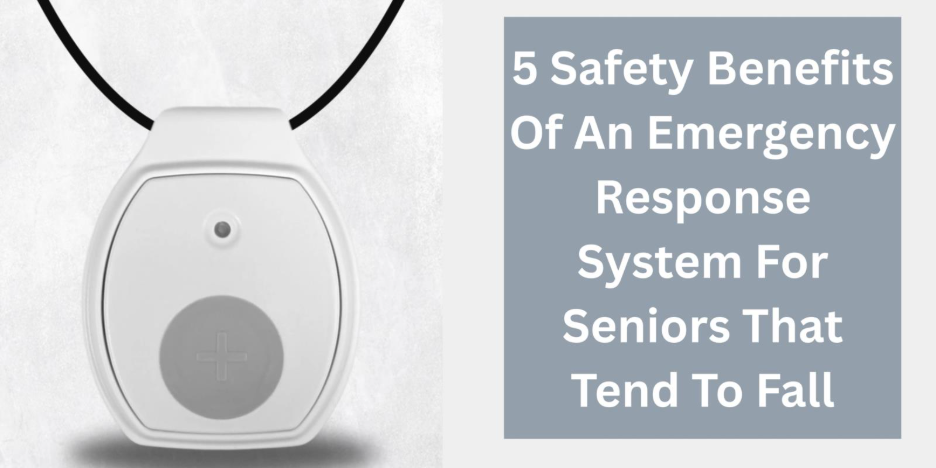
Aging is the time when the fear of falls rises – a single slip may cause severe damage or prolonged healing. To most of the older generation, an unanticipated fall would leave them waiting a long time for assistance, especially for an isolated or long-distance older adult.
That is why reliable protection is an essential need for a safe and independent life. A senior emergency response system can be more than comfortable; it can be a lifesaver when needed most, offering more than just comfort to older people at risk of falling.
Such a system can provide both seniors and their loved ones with peace of mind through intelligent design and the ability to detect falls and respond automatically and quickly.
These are the five essential safety benefits of an emergency response system for seniors who are prone to falling, and how this type of system helps provide real peace of mind and real protection.
1. Prompts Assistance in Case of Accidental Falls
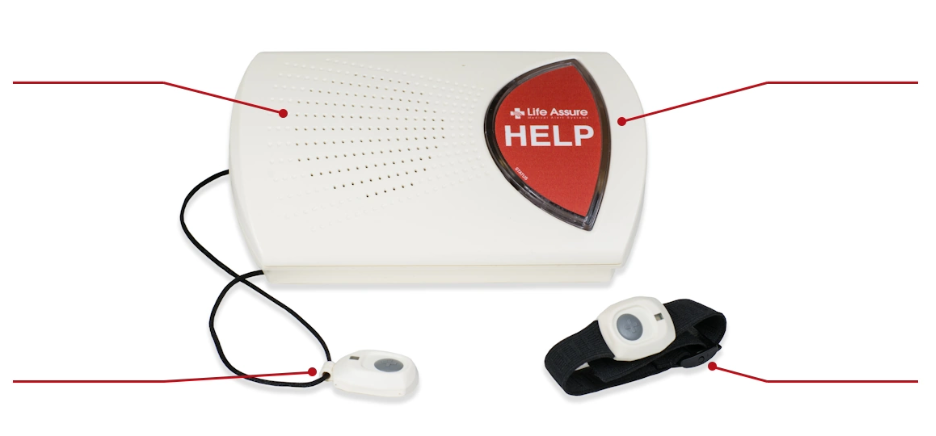
Whenever a senior falls, time is of the essence. Falls can be detected automatically in an emergency response system for seniors that tend to fall. They include a simple button that triggers an alert even when the individual is unconscious or unable to use a phone.
This can quickly activate trained responders or emergency services, thereby significantly increasing the likelihood of prompt help. Since most falls occur when the seniors are left alone, whether asleep, in the bathroom, or in another room, an automatic, or minimum effort, device can really make a difference.
In this way, this type of system ensures that a fall will not turn into a long-term emergency due to delayed help.
2. Minimizes Risks Associated
Injury is not the only risk that occurs after a fall; what about the situation when a senior cannot stand up or call an ambulance? In most scenarios, individuals may stay on the floor for hours, a scenario that may result in dehydration, pressure sores, or even hypothermia.
Such a risk is greatly minimized by an emergency response system that requests help as soon as possible. Rapid response reduces the risk of complications due to long-term immobilization or exposure.
Timely medical or care-giving intervention enhances safety, comfort, and overall outcomes- particularly where the senior might not be able to call for help on their own.
3. Empowers to Live a Dignified and Independent Life

A large number of older adults prefer to stay at home rather than relocate to assisted care, and that should not mean their safety must be compromised. An appropriate emergency response system gives seniors the freedom to walk around their homes or even venture out without fear of being alone, since they can call emergency services at the touch of a button (or via an automatic initiator).
This assistance helps people stay independent and live everyday lives without being under constant observation or fear of what could happen in the event of a fall. This means that older people tend to feel more secure in their daily activities, even walking in the house or performing minor tasks, knowing that they have a safety net at hand.
4. Peace Among Family Members and Caregivers
Seniors are not the only benefactors because families and caregivers usually live in constant apprehension, particularly when a loved one is at risk of falling but lives alone. An emergency response system also assures that older people are not alone when they are physically alone at home.
Caregivers receive an alert when a fall or a medical event happens, and they can intervene or arrange for assistance. This eliminates stress among family members who do not live close to one another and enables them to be confident that their loved one is safe without having to call on them frequently.
The older person, in turn, can maintain a sense of independence, and the family can keep the feeling that support is available at any time.
5. Improved Recovery and Fewer Complications

An earlier medical response to a fall is likely to improve outcomes. Emergencies can be evaluated more quickly when assistance is provided promptly, minimizing the risk of severe complications, prolonged hospitalization, or exacerbation.
For the elderly with weak bones or underlying illnesses, a quick response may be the difference between recovery and prolonged illness. In addition, it is possible to minimize risks such as hypothermia, pressure sores, or other injuries because of an attempt to move without appropriate support, which sometimes exacerbates the effects of the fall itself.
This advantage supports the argument that the emergency alert system is not just a matter of convenience but also a life-saving tool in the event of accidents.
Bringing it All Together
Falls are a significant threat to most older adults, particularly those who live alone or have limited mobility. The senior-friendly emergency response system, which is supposed to help seniors who fall, not only provides added reassurance but also timely assistance, protection against prolonged risks, and support for maintaining independent living.
Such systems minimize risks, support recovery, and provide peace of mind to older people and their families through rapid alerting, automatic fall detection, and access to trained responders.
Such a choice of system may lead to significant differences in safety and quality of life. An emergency response system, well used and providing good coverage, is an innovative, practical tool to add to a senior’s everyday life, ensuring help is never too far away, particularly in situations where every second may count.