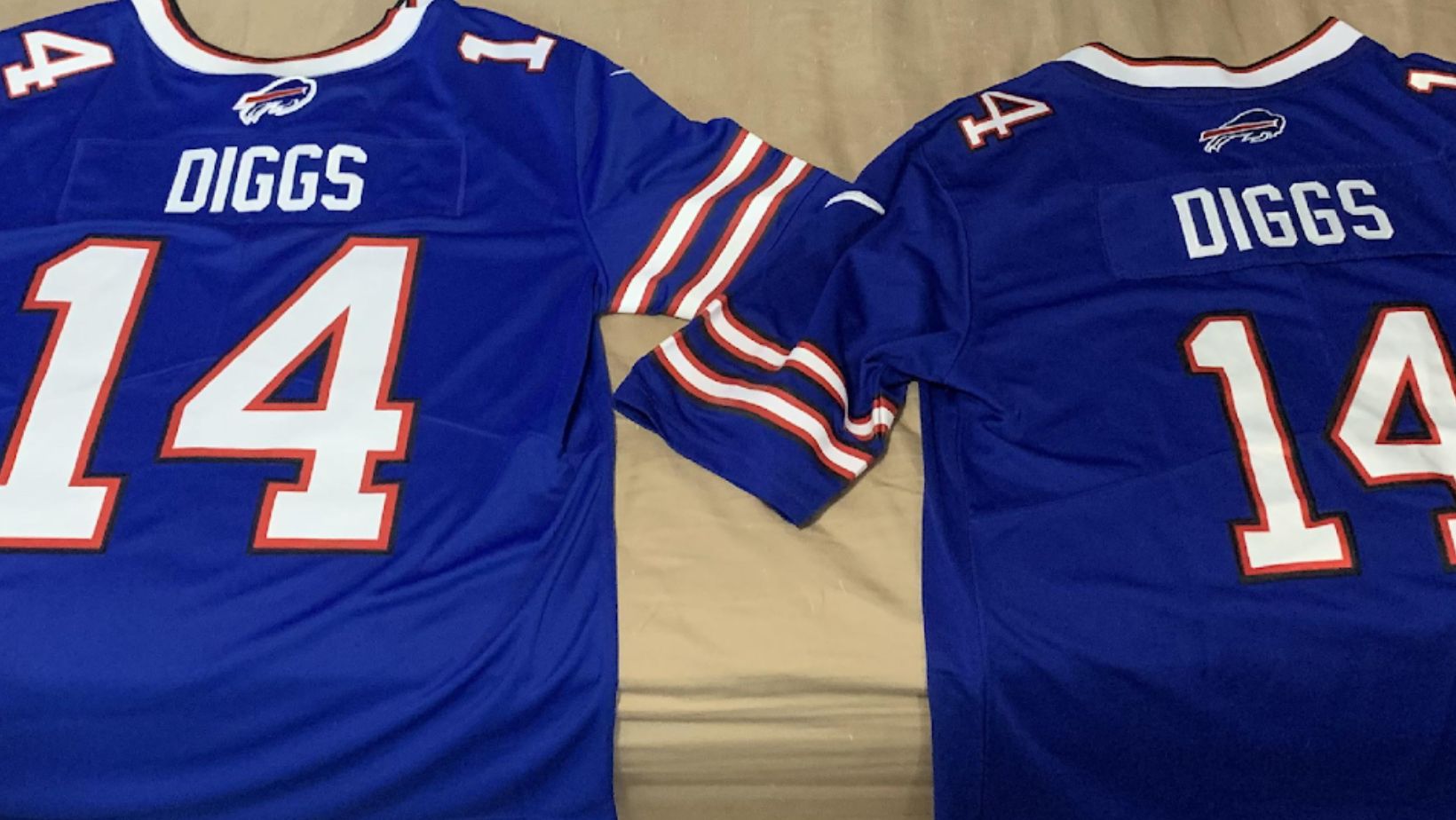
NFL jerseys are everywhere right now, and so are the fakes. With the popularity of NFL merchandise soaring, counterfeit jerseys flood online marketplaces and street vendors. For fans investing in a piece of team-pride, distinguishing genuine licensed gear from knock-offs is critical—not just for quality and longevity but to avoid inadvertently supporting piracy. This article gives you clear indicators of authenticity, the common red flags counterfeiters cannot hide, and smart habits to keep your money on the real thing.
Licensed Supplier & Tiering
Buying authentic starts with understanding how real NFL jerseys are made and categorized. Genuine NFL jerseys typically come in tiers like Game, Limited, and Elite, each with progressively higher quality materials and build. That tiering is not marketing fluff; it tells you what kind of fabric you should feel, how the name and numbers should be applied, and how close the jersey is to what players wear. The official licensed manufacturer is also a big authenticity marker, and Nike is the current licensed producer for NFL jerseys. If the jersey does not match any recognizable tier or the supplier branding looks off, you are likely dealing with a knock-off. Knowing these tiers matters, because counterfeits often mix details from different levels, creating something that looks “almost right” but does not align with any legitimate product.
Purchase Source & Price
Where you buy is one of the fastest shortcuts to knowing whether you are safe or not. Authentic jerseys are sold through the league’s official shop, team pro-shops, major sporting goods chains, and trusted online stores that clearly deal in licensed gear. Counterfeit jerseys thrive on anonymous sellers, street vendors, and marketplace listings that do not have transparent business history. Price is the other dead giveaway. If the price is significantly below the normal retail range—like under $50 or similarly low compared to typical ~$100+ to $300 jerseys—that is a warning sign you should take seriously. Real jerseys cost what they cost because of licensing, quality materials, and legitimate production. If a deal feels unreal, it usually is.
Tags, Labels & Security Features
Authentic NFL jerseys come with a trail of official details that are hard for counterfeiters to duplicate perfectly. A real jersey includes manufacturer tags, a printed size label in the collar, a sewn-on or printed brand mark, and usually a hologram or reflective NFL shield badge near the neckline or hem. Those features are meant to prove licensing and authenticity, not just decorate the garment. Fake jerseys often omit these pieces, or they replicate them poorly. Common counterfeit tells include holograms that look dull or sloppy, generic tags, or a lack of official UPC or security codes. On a real jersey, these details should look sharp, aligned, and intentional, not like something pasted on at the last second.
Material Quality & Stitching
Even before you inspect logos or tags, the jersey’s build usually tells the truth. Authentic gear uses premium polyester or performance fabric blends, consistent stitching, properly aligned panels, and strong applique or twill for numbers and names. The fabric should feel smooth, durable, and like it is built to survive seasons of wear. Counterfeits often use cheaper fabric that feels stiff or thin, along with loose stitching, mis-aligned panels, and lower-grade vinyl graphics that peel or crack. If the seams look uneven, the stitching wanders, or the numbers feel like they are barely attached, you are not holding legitimate licensed gear.
Logos, Colors & Player Details
This is where most fakes get exposed quickly. Official team logos, player names, and numbers should precisely match the design offered by the team. That means fonts, spacing, color brightness, and positioning are not flexible—they are exact. Subtle color differences, like panel shades that do not match, blurring around logos, or incorrect numbering or font styles are strong indicators of a fake. Real jerseys follow team templates with clean edges and consistent hues. Counterfeits tend to look close from far away but fall apart under a real comparison, especially if the logo looks fuzzy or the number style feels unfamiliar.
Fit, Finish & Overall Feel
Authenticity is not only about visuals; it is also about how the jersey wears. Real jerseys have a specific fit depending on tier, and the finish should never look sloppy, wrinkly, or oddly proportioned. When you put it on, the jersey should feel substantial and well-constructed, not flimsy. Counterfeits often have awkward sleeve lengths, bulky collars, or body cuts that do not match official sizing. A real jersey hangs cleanly, with balanced weight across the shoulders and chest. If it feels like a costume instead of athletic gear, that is usually your clue.
Common Red Flags
Counterfeiters keep repeating the same mistakes, even when they try to look convincing. Ultra-low pricing is a major one, especially anything under $50. Another is vague product labeling, like sellers calling something “Elite style” without listing the real tier. Poor or missing close-up photos of tags, collar size printing, or the NFL hologram/shield badge are also huge warning signs. Listings that avoid showing stitching detail are doing it for a reason. If the seller has no return policy, no credible reviews, or a suspiciously endless inventory of every player name and number variation, that’s not how legitimate stock works. When multiple details feel off at once, it is almost never a coincidence.
Active Advocates
There are real groups actively fighting counterfeit NFL merchandise because the damage hits fans and the league. Licensed retailers promote official gear over counterfeits and work to keep fake listings off the market. Consumer-protection groups regularly warn fans about counterfeit sports merchandise, especially around major football events when scams spike. Collectors and authentic memorabilia dealers emphasize provenance, manufacturing details, and licensing because they know how fast a fake can fool an untrained buyer. The point they all share is simple: authentic jerseys protect your investment, your fandom, and the legitimacy of the sport’s business ecosystem.
Most fans used to assume that any jersey with their team’s logo was “good enough,” and that mindset gave counterfeiters room to thrive. But exposure to counterfeit stories has increased scepticism, especially about online marketplace deals that seem too cheap. The disappointment of a jersey that falls apart or has obvious flaws erodes brand pride and team pride at the same time. Many fans now ask “Is this real?” before buying, and they double-check details like correct player name/number combinations or whether a jersey style matches current rosters and NFL depth charts. Some fans feel frustrated that real gear costs significantly more, while others see paying the premium as part of supporting their team and league integrity.
Most-Practices for Safe Purchases
To avoid getting burned, buying smart must be a habit, not a gamble. Start with licensed sources: league shops, team pro-shops, major sporting goods chains, and established trusted sellers. Confirm the jersey tier—Game, Limited, or Elite—and make sure the build details match that tier. Pressure-test the price against normal retail expectations: anything under $50 or far below the typical ~$100+ to $300 range deserves suspicion. Inspect the tags, collar size print, Nike branding, and the hologram or reflective NFL shield badge near the neckline or hem. Finally, check the material feel, stitching tightness, panel alignment, and the quality of numbers and names. If one of those categories fails, trust your gut and walk away.