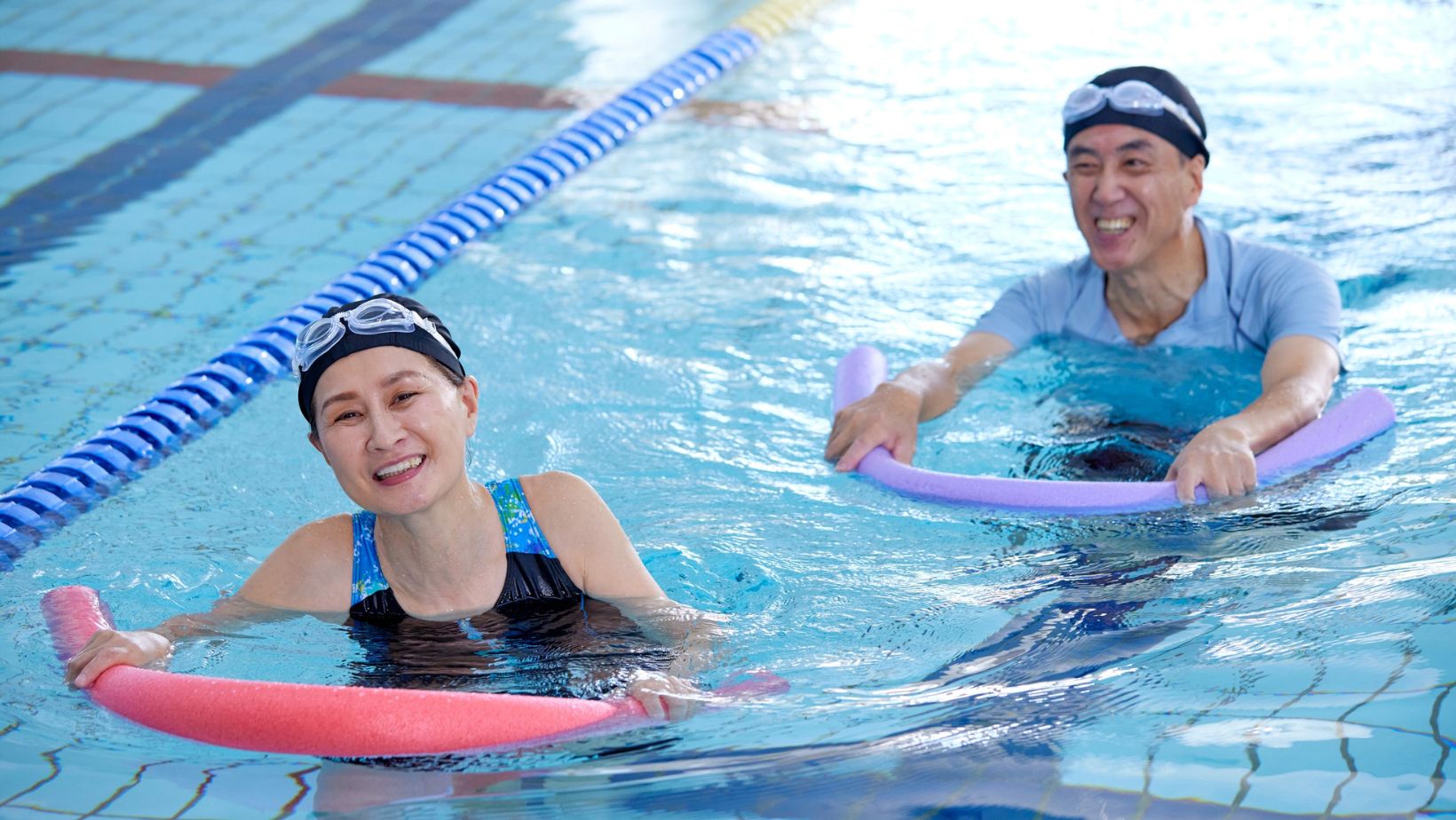
Aquatic physical therapy is a specialized form of rehabilitation that uses water to support movement, reduce stress on the body, and promote healing. It is particularly helpful for individuals who experience discomfort during traditional land-based therapy or who prefer a gentler approach to improving strength and mobility.
These sessions are led by licensed clinicians who have completed a physical therapy degree and received additional training in water-based therapeutic methods. The special qualities of water make it possible to perform exercises that might feel challenging or uncomfortable on land. As a result, aquatic therapy offers a supportive environment for recovery, conditioning, and long-term wellness.
What Makes Water an Effective Therapeutic Environment?
Water provides buoyancy, which is a key reason why aquatic therapy feels comfortable for many people. Buoyancy reduces the effects of gravity, allowing the body to move more freely with less strain. This reduced pressure helps individuals with joint discomfort, limited mobility, or balance challenges participate in therapeutic exercises without the added tension they might feel during land-based activities.
Resistance is another important feature of water. Unlike weights or machines, water provides uniform resistance in all directions. This type of resistance strengthens muscles gradually and safely. Because water slows movement, it encourages controlled motion, improving stability and reducing the risk of sudden strain. For individuals recovering from injury, this gentle and effective resistance helps rebuild strength while protecting vulnerable areas from excessive impact.
Water temperature also plays a therapeutic role. Many aquatic therapy programs take place in warm pools that help relax muscles, increase blood flow, and reduce stiffness. Warm water encourages movement by easing tension throughout the body. As muscles relax, individuals find it easier to complete stretching and strengthening exercises. The combination of buoyancy, resistance, and temperature creates a controlled environment that supports progress in ways that land-based therapy cannot always replicate.
Conditions and Goals Addressed Through Aquatic Therapy
Aquatic physical therapy can support individuals managing a wide range of conditions. It is often recommended for people recovering from orthopedic injuries, such as sprains, fractures, or surgeries. Because water reduces pressure on joints, it allows individuals to begin gentle movement sooner than they might be able to on land. Early mobilization supports healing and helps prevent stiffness. People with chronic conditions, including arthritis or long-term joint discomfort, often find that aquatic exercises help them move more comfortably while improving daily function.
Aquatic therapy is also beneficial for individuals with neurological conditions. The supportive nature of water helps people with balance challenges feel more secure. Exercises that would be difficult or unsafe on land are achievable with the natural assistance water provides. This promotes coordination, confidence, and gradual improvement in mobility. For individuals working to recover balance, strength, or gait patterns, water offers both safety and challenge in a controlled setting.
Beyond injury recovery or chronic conditions, aquatic therapy supports overall fitness and conditioning goals. The resistance provided by water offers an effective workout that can improve cardiovascular health, muscle tone, and endurance. Because the environment reduces impact, it is suitable for people of different ages and fitness levels.
How Are Aquatic Therapy Sessions Structured?
Aquatic physical therapy begins with an assessment. The clinician evaluates mobility, comfort level, balance, and individual goals to determine which exercises will be most effective in achieving these objectives.
This assessment enables the therapist to develop a personalized plan that addresses the individual’s specific needs. Because water offers a variety of therapeutic benefits, therapists can easily adjust sessions to target different goals as progress is made. The structure of each session is designed to be both accessible and challenging in the right ways.
Exercises are performed in a pool at a depth that supports the individual’s comfort and ability level. Some sessions focus on walking or stepping patterns to improve gait and balance. Others incorporate gentle stretching or strengthening exercises that use the natural resistance of water.
The therapist may also use equipment such as foam dumbbells, flotation belts, or resistance paddles to increase challenge or support. Every movement is guided and monitored to ensure proper form and safety.
Progression is a key component of aquatic therapy. As individuals gain strength and confidence, exercises will become more advanced or transition gradually to land-based therapy. The therapist evaluates progress regularly and adjusts the program to maintain steady improvement. This connection between water-based and land-based routines helps individuals build a strong foundation while reducing the risk of reinjury.
Support That Moves With You
Aquatic physical therapy offers a distinct environment that makes rehabilitation and conditioning more accessible, comfortable, and effective. By using the natural properties of water, therapy supports movement, reduces strain, and encourages gradual improvement. The gentle resistance of water helps build strength, while buoyancy allows individuals to practice skills they may not feel confident performing on land.