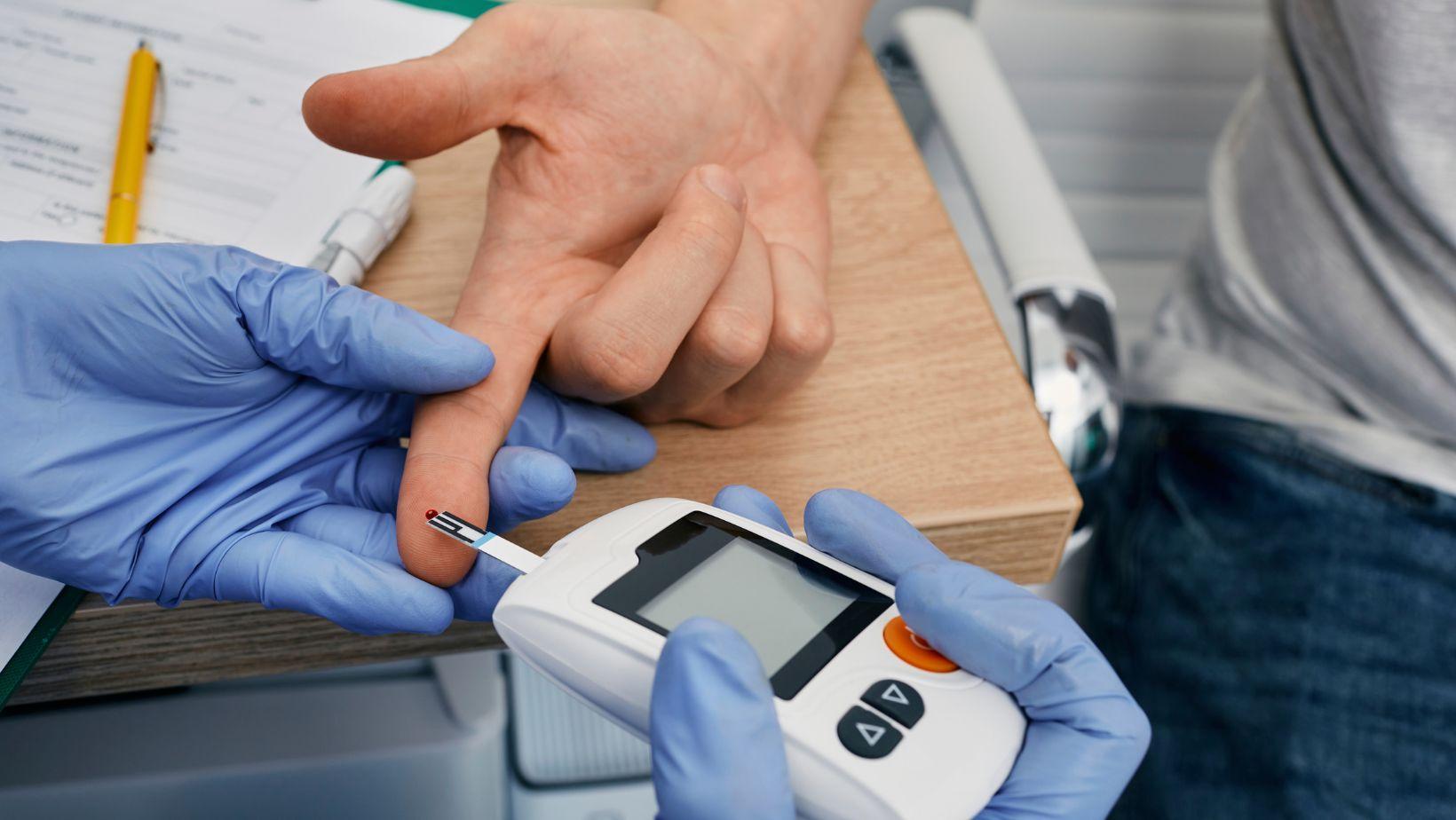
When preparing for a major surgical procedure, patients and their families typically focus on the immediate details of the operation itself: the skill of the surgeon, the choice of anesthesia, wound care protocols, and the expected timeline for returning home. Nevertheless, one of the most important things affecting the success of any surgery lies in the body’s metabolic system. In cases where an individual does not suffer from any form of diabetes and also maintains his or her blood sugar levels at a stable rate throughout his life, it is very important to manage the glucose levels after surgery. The human body experiences drastic physiological changes during the period of stress, which may result in increased blood sugar levels. As such, some leading post-acute care organizations like PAM Health point out the importance of monitoring blood sugar after surgery.
Understanding Stress-Induced Hyperglycemia
The key factor causing an increase in blood glucose levels following surgery is a physiological process called stress-induced hyperglycemia. Surgery is a controlled infliction of bodily injury. As a result of tissue cutting, organ manipulation, and administration of anesthesia, the body produces a powerful stress response. This involves the release of stress hormones such as cortisol, adrenaline, glucagon, and growth hormone.
Adrenaline increases the breakdown of glycogen in the liver and causes the production of glucose, which is released into the blood to ensure that tissues have immediate sources of energy to cope with potential dangers. At the same time, the increase in cortisol leads to a transient resistance of peripheral tissues to the effects of insulin that is circulating in the blood. Insulin is a hormone that is responsible for transporting glucose from the blood into the cells. For those people who do not suffer from diabetes, this means a higher level of blood glucose that lasts for several days after surgery.
The Impact of High Glucose on Wound Healing and Immunity
An increase in the patient’s glucose level is not just an abnormal lab result. This condition directly affects biological processes necessary for proper wound healing. One of the first physiological systems affected by hyperglycemia is the immune system. The high content of circulating glucose adversely affects neutrophils and macrophages, which are the key immune cells that help to recognize, ingest, and destroy any invading microorganisms at the surgery site. Thus, once the function of the immune cells is reduced, the body’s ability to fight off pathogens is seriously impaired.
In addition to this, hyperglycemia leads to an impairment in the microcirculation in the blood vessels. An elevated glucose level leads to constriction and stiffening of the blood vessels coupled with increased blood viscosity. As a result, the tissues receive insufficient amounts of oxygen, nutrients, and other components necessary for wound healing. Incisions and other kinds of surgical injuries need proper regenerative activity on the cellular level in order to seal the wound properly. Once the circulation is impaired, healing takes much longer.
Broader Systemic Risks During Recovery
Effects of uncontrolled stress-induced hyperglycemia go far beyond just affecting the immediate area of surgery. The state of high blood sugar causes systemic inflammation within the body and adds extra pressure on important organs that are already under the effect of stress from surgery and the medication.
For example, high blood sugar puts more pressure on the kidneys as they have to remove excessive glucose from the blood. This pressure may cause osmotic diuresis, when the kidneys excrete too much fluid and electrolytes, resulting in dehydration, electrolyte imbalance, and blood pressure fluctuations. Moreover, high blood sugar puts patients at risk of developing heart issues, pulmonary complications, and deep vein thrombosis. Patients who suffer from uncontrolled stress hyperglycemia usually spend more time in hospitals and need more hospital visits and longer recovery periods.
How Surgical Teams Manage Metabolic Health
Because stress hyperglycemia is so common and consequential, modern surgical and post-acute care protocols treat glucose control as a core component of post-operative care for all patients. In the hours and days following surgery, clinical teams regularly check blood glucose levels, even in patients with no history of metabolic disease.
In the event of such glucose spikes, doctors will give short-acting insulin or modify the formula of intravenous fluids to bring about equilibrium. Such action does not signify that the patient now has diabetes; this is a specific and short intervention intended to make sure that the body remains in a perfect condition for healing. While being monitored by doctors, the medical practitioners also ensure that the right amounts of nutrients are fed into the patient’s system to promote healing without causing any sudden rise in glucose levels.
Empowering Patients for a Smooth Recovery
Additionally, patients may contribute actively to ensuring their metabolic stability both pre- and post-operation. It is critical to adhere to all recommendations concerning fasting before operations since poor fasting may worsen the effects of stress on the post-operative body. The presence of complaints such as increased thirst, increased urge to urinate, visual disturbances, and general tiredness should be discussed openly with the health care team to help diagnose high glucose levels.
Following recommended protocols on mobility as soon as it is possible is also a good idea, as it promotes glucose absorption by muscles through physical activity, thus reducing blood glucose levels. Patients will be able to understand why there is a need to check their glucose levels if they realize that surgery changes the body’s metabolism.
Conclusion
Finally, complete recovery involves treatment of the entire body, not only the part where surgery has been performed. According to specialists at PAM Health, precise blood sugar management after surgery is important because it helps the body defend itself, reduces complications, and speeds up the recovery process.