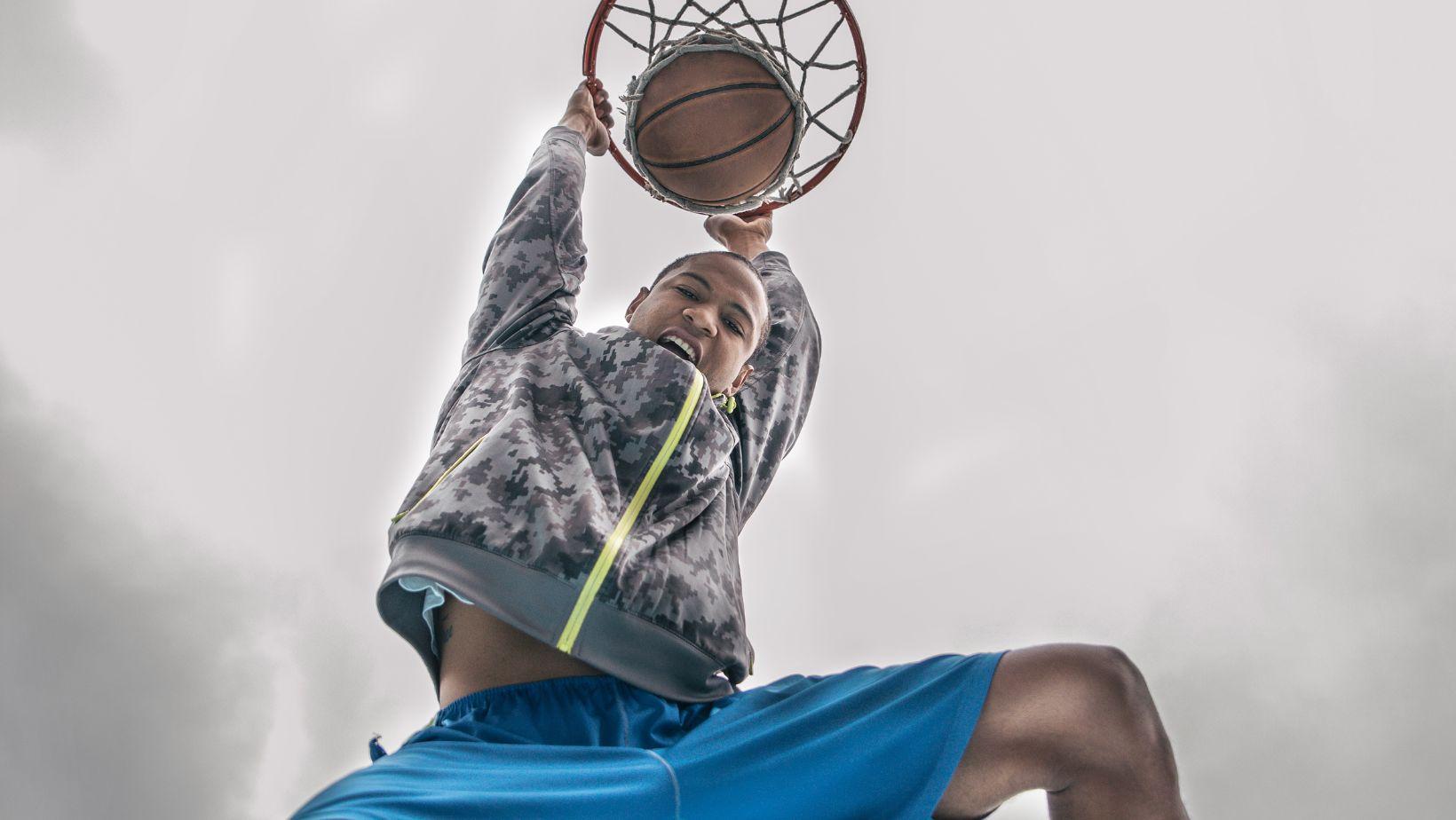
Deni Avdija has already completed the hardest stage of his NBA transformation. He entered the league as a promising but hesitant forward, spent four uneven seasons in Washington, and then emerged as a primary offensive creator in Portland. During the 2025–26 season, he averaged 24.2 points, 6.9 rebounds, and 6.7 assists while earning his first All-Star selection. Those numbers placed him among the NBA’s most productive forwards, but they did not automatically make him one of its five best players.
Top-five status requires more than an impressive statistical line. A player at that level must influence every defensive decision, create efficient offense when opponents know what is coming, and carry his production into playoff series. He must also remain useful when his shot fails, control important fourth-quarter possessions, and turn individual excellence into team success. Avdija now possesses an All-Star foundation. Reaching the next tier will require specific advances in shooting, half-court creation, defense, postseason adaptability, and leadership.
1. The Difference Between an All-Star and a Top-Five Player
Avdija’s 2025–26 season established him as far more than an athletic transition forward. His averages rose from 16.9 points and 3.9 assists in 2024–25 to 24.2 points and 6.7 assists the following year. He handled more possessions, drew more defensive attention, and became responsible for organizing much of Portland’s offense. His first All-Star selection confirmed that the league noticed the change.
His production also revealed the distance he still must cover. Avdija shot 46.2% from the field and produced a strong .600 true shooting percentage, but he made only 31.8% of his three-point attempts. His increased creation duties also exposed moments when he played too quickly, entered traffic without a clear outlet, or relied on physical force instead of manipulating the defense. His 2025–26 statistical profile showed star-level volume with several areas that elite playoff opponents could target.
A top-five player usually meets several standards at once. He competes for All-NBA First Team recognition, receives serious MVP votes, leads a winning team, and performs at a comparable level in the postseason. He also owns at least one skill that opponents cannot remove. Nikola Jokić controls defenses with passing and touch. Giannis Antetokounmpo overwhelms the paint. Luka Dončić dictates matchups and pace. Shai Gilgeous-Alexander combines isolation scoring with precise footwork and foul pressure. Their styles differ, but each forces the opponent to redesign its defense.
Avdija does not yet possess that kind of unavoidable weapon. His transition attacks can overwhelm an unprepared defense, but playoff teams prepare for them. His passing punishes obvious help, but sophisticated defenses disguise rotations. His size creates mismatches, yet defenders can reduce their damage by backing away and challenging him to shoot. Becoming a top-five player means eliminating those escape routes.
Team performance will also shape his reputation. Voters rarely rank a player among the NBA’s five best when his team struggles to avoid the play-in tournament. Portland does not need to win a championship immediately, but Avdija must become the clear force behind sustained improvement. A jump from individual production to 50-win leadership would change the discussion around him.
The challenge now centers on refinement rather than reinvention. Avdija already has the size, strength, passing instincts, rebounding, and open-court speed needed to become a major star. His next improvements must make those strengths reliable against organized defenses, difficult matchups, and postseason pressure.
2. He Must Build a Shot That Changes Defensive Behavior
Avdija’s three-point shooting represents the clearest obstacle between his current level and genuine superstardom. Defenders respect his drives because he reaches the rim with power, but they can protect themselves by giving him extra space outside the arc. That space allows them to contain his first step, block passing lanes, and remain close enough to help against Portland’s other scorers.
A reliable jumper would change the geometry of every possession he controls. Defenders could no longer retreat under ball screens without conceding open threes. Closeouts would become longer and less controlled, giving Avdija cleaner driving opportunities. Help defenders would have to move farther away from the paint, opening passing angles toward cutters and centers.
The first target should be consistent accuracy on open catch-and-shoot attempts. Avdija does not need to become Stephen Curry, but he must punish defenses for leaving him. A season near 37% from three on meaningful volume would force opponents to reconsider their coverage. Reaching that percentage once would not settle the issue, either. Defenses need evidence that the improvement will survive high volume, fatigue, road games, and playoff pressure.
His next target should be pull-up shooting after ball screens. Primary creators cannot depend entirely on teammates to provide stationary attempts. When a defender goes under a screen, Avdija needs to rise into a balanced shot without hesitation. A credible pull-up three would create a difficult choice: step higher and expose the lane, or retreat and concede the jumper.
Footwork will determine whether that shot becomes dependable. Avdija sometimes reaches his release with inconsistent balance, particularly after moving laterally or changing speed. Cleaner stops, a repeatable base, and better alignment would reduce unnecessary variation. The goal is not a prettier motion. The goal is a shot he can reproduce after contact, rapid movement, and 35 minutes of work.
A short midrange game would give him another counter. Defenses increasingly build their coverages around protecting the rim and running shooters off the three-point line. Avdija can exploit the space between those priorities with controlled pull-ups, floaters, and turnaround shots. A dependable attempt from 10 to 16 feet would prevent rim protectors from waiting comfortably near the basket.
Shot selection matters as much as shot development. Avdija should not replace strong drives with a collection of difficult jumpers. He should use shooting to create better drives and use drives to create cleaner shots. Top scorers understand which attempt the defense has conceded and take it without allowing the possession to become stagnant.
Late-clock shooting deserves separate attention. Regular-season offenses often create favorable opportunities during the first 15 seconds of a possession. Playoff defenses erase many of those options, leaving the primary player to generate a shot with five seconds remaining. Avdija needs a compact sequence he trusts in those moments, whether it is a step-back three, a strong drive into a short pull-up, or a post turnaround against a smaller defender.
Free-throw shooting completes the scoring package. Avdija improved to 80.2% in 2025–26, an important result for a player who attacks contact. He must maintain or raise that standard while increasing his volume. Missed free throws reduce the value of his physical driving style and become more costly in close playoff games.
Shooting progress would produce benefits beyond the box score. NBA spacing is not simply a matter of arranging players like restaurant tables across an open floor. Defenders determine usable space through the threats they respect. Once opponents treat Avdija as a dangerous shooter, the floor will become functionally larger for him and every teammate sharing it.
3. He Must Control Half-Court Possessions, Not Just Attack Them
Avdija already ranks among the league’s most dangerous forwards in transition. He can collect a defensive rebound, accelerate without waiting for an outlet pass, and reach the rim before the defense establishes its matchups. His combination of speed and strength forces smaller defenders to retreat and larger defenders to turn their hips.
Half-court creation presents a different problem. Defenders begin in position, the paint contains multiple bodies, and driving lanes close quickly. Playoff teams also study a scorer’s preferred angles and force him toward less comfortable areas. Avdija must become just as influential when the game slows down.
Pace variation would make his drives harder to predict. Avdija often creates advantages through direct acceleration, but elite defenders can time an attacker who operates at one speed. A controlled hesitation, deceleration, or change of direction would make his power more dangerous. The threat of stopping forces defenders to shift their balance before he attacks again.
Ball security must improve alongside his handle. Avdija does not need to dribble like a small point guard, but he needs a tighter and lower handle when facing pressure. Smaller defenders will continue to reach at the ball, while longer forwards will crowd his body and challenge his change of direction. Loose dribbles can turn a promising mismatch into a turnover before the offense develops.
His weaker driving directions also need greater attention. A primary creator cannot repeatedly guide the possession toward the same hand, shoulder, or finishing angle. Defenders will load up against his preferences and position help accordingly. Greater comfort moving in either direction would make his first step less predictable and complicate the opponent’s rotation plan.
Post play could give Avdija a dependable answer against smaller defenders. Teams often switch guards onto large creators because the switch prevents penetration and removes the need for complicated coverage. Avdija should punish that strategy with deep position, controlled footwork, and quick decisions. He does not need a long sequence of post moves. A power finish, short turnaround, and pass to the weak side would cover most situations.
Passing accuracy will determine whether teams can double him. Avdija already sees the floor well for a player his size, but top-five creators recognize the second rotation before it occurs. The first pass out of a double-team may not create the shot. It may force another defender to rotate, producing an opportunity two passes later. Avdija must learn to initiate that sequence without holding the ball long enough for the defense to recover.
Turnover reduction provides a useful measure of progress. Some turnovers come with ambitious creation, and eliminating all risk would make him less dangerous. The avoidable mistakes matter more: leaving his feet without a target, charging into a set defender, exposing the ball during a gather, or forcing a cross-court pass after the window closes. Removing those errors would increase Portland’s offensive quality without requiring Avdija to score another point.
Possession control also requires emotional patience. A missed call, blocked drive, or difficult defensive matchup cannot push him into a rushed response at the other end. Elite creators recognize when to attack immediately and when to organize the group. Avdija’s next step involves directing the game instead of allowing its speed to direct him.
4. He Must Become an Elite Defender Again
Avdija earned early NBA minutes because coaches trusted his defense before they trusted his offense. His size allowed him to guard wings, absorb contact from power forwards, and stay involved on the glass. His offensive rise has changed his responsibilities, but it should not erase the two-way identity that separates him from many high-volume scorers.
A larger offensive role naturally places pressure on defensive effort. Primary creators conserve energy at times because they must handle, drive, pass, and absorb contact on the other end. Avdija cannot play every defensive possession at maximum intensity, but he must choose his moments intelligently. Losing focus away from the ball or failing to return in transition costs more than preserving a small amount of energy.
Point-of-attack defense should remain one of his defining abilities. Portland can use Avdija against large initiators who would overpower smaller guards. He has enough strength to hold his ground and enough mobility to contest without surrendering an immediate switch. Maintaining that value while producing more than 20 points per game would strengthen his top-five case.
Screen navigation needs continued refinement. Good offenses will force him through repeated actions designed to create separation or a favorable switch. Avdija must decide when to fight over, slide under, switch, or recover. A late decision can compromise the entire possession, even when the resulting basket does not appear in his individual defensive statistics.
Off-ball awareness offers another route to greater influence. The best wing defenders do more than contain their assignment. They recognize actions early, tag rollers, close passing lanes, and rotate toward the rim before the scorer gathers the ball. Avdija has the size to affect those plays without abandoning his original matchup for too long.
Defensive rebounding completes his work. Avdija already rebounds well, but the value extends beyond the total itself. A secured rebound ends the opponent’s possession and immediately activates his transition game. That sequence allows one defensive contribution to create an offensive advantage within seconds.
Foul discipline will become more important as he takes harder assignments. Quick guards use abrupt stops, rip-through moves, and changes of direction to exploit aggressive defenders. Larger scorers initiate contact and wait for the defender’s arms to move. Avdija must defend physically without giving opponents easy free throws or placing himself in early foul trouble.
Portland’s scheme will influence his defensive numbers, but his effort remains visible. A top-five player should lift the team’s defensive floor through communication, positioning, and matchup versatility. Avdija does not need to contend for Defensive Player of the Year every season. He does need to provide clear value on nights when his jumper disappears.
Two-way consistency could become his strongest argument against other star forwards. Plenty of players can average 25 points when given possession volume. Far fewer can create offense, guard a top scorer, rebound in traffic, and initiate the break. Avdija already possesses the physical tools for that combination. He must deliver it across an entire season.
5. He Must Prove His Game in the Playoffs
Avdija’s first playoff experience offered both encouragement and a warning. He opened Portland’s 2026 first-round series against San Antonio with 30 points, 10 rebounds, and five assists, showing that postseason pressure did not overwhelm him. His production varied during the rest of the series, however, and Portland lost in five games. The short run gave opponents an initial opportunity to test his weaknesses repeatedly.
Playoff defense differs from regular-season defense through preparation and repetition. A team may face Avdija twice during an ordinary season and use a broad game plan. A postseason opponent studies him for consecutive games, identifies every preference, and adjusts after each result. A move that works in Game 1 may disappear by Game 3.
Avdija must learn to recognize those adjustments during a series. If defenders retreat beneath screens, he has to shoot. If they trap, he has to move the ball early. If they place a smaller defender on him, he has to establish position without slowing the entire offense. If a rim protector waits in the lane, he has to use touch or locate the open teammate.
Poor shooting nights will test his broader influence. A top-five player does not need to score efficiently in every playoff game, but he must avoid becoming damaging when shots fail. Avdija can still defend, rebound, create transition chances, draw fouls, and organize teammates. Those contributions prevent an inefficient night from becoming an empty one.
Fourth-quarter decision-making will carry unusual weight. Defenses become more physical, possessions slow down, and coaches target the least reliable offensive option. Avdija must know when to call for a screen, reject it, post a mismatch, or move away from the ball. Forcing a heroic shot is not leadership when a teammate has a better opportunity.
Conditioning will support those decisions. Carrying a major offensive role while defending elite scorers places a heavy demand on the legs. Fatigue affects shooting balance, defensive stance, finishing touch, and judgment. Avdija must prepare for long playoff minutes without losing the explosiveness that drives his game.
Durability also forms part of the top-five standard. Avdija played 66 regular-season games in 2025–26, enough to establish his value but short of complete availability. Minor injuries accumulate when a physical creator attacks the paint repeatedly. Better landing mechanics, recovery routines, strength work, and workload management can help him remain productive late in the year.
Postseason success will eventually matter more than any projected ceiling. Avdija can no longer rely on age or potential as the main argument for his status. He needs a series in which opponents build their plan around stopping him and still fail. One strong playoff run could move him into the All-NBA conversation. Repeated runs would support a top-five claim.
6. Portland Must Give Him the Right Conditions to Lead
Avdija’s development does not occur separately from Portland’s roster. Even the greatest creators need teammates who punish defensive help, protect the rim, and provide alternative sources of offense. Poor construction can make a star’s weaknesses look larger while allowing opponents to load several defenders toward the same area.
Reliable shooting should surround Avdija whenever possible. His best possessions often begin with a forceful drive that attracts help. Those drives lose value when defenders can leave Portland’s perimeter players without consequence. Multiple credible shooters would give him clearer passing reads and reduce the number of bodies waiting near the basket.
A strong screening center would also help his half-court game. The center must create real contact, roll decisively, finish near the rim, and recognize short passing windows. That combination would force defenders to choose between containing Avdija and protecting the basket. A center who can also make a short-roll pass would make aggressive traps more difficult.
Portland needs another creator without removing Avdija’s responsibility. A secondary ball handler can organize possessions when Avdija rests, relieve pressure against traps, and attack a rotating defense. Too many ball-dominant players, however, could reduce Avdija to a passive spot-up role. The coaching staff must balance shared creation with a clear offensive hierarchy.
Defensive support matters just as much. Strong perimeter defenders would prevent Avdija from chasing the opponent’s best scorer every night. A dependable rim protector would allow him to apply more pressure on the perimeter without fearing that one lost step will produce an uncontested layup. These teammates would preserve some of his energy for late-game creation.
Avdija must also lead regardless of roster imperfections. Top-five players influence standards through preparation, communication, and accountability. They recognize when a young teammate needs direction, when the offense has lost its structure, and when the group’s defensive concentration has declined. Leadership becomes credible when the star follows the same demands he places on others.
The first stage of Avdija’s path involves sustaining his All-Star production. Defenses will enter the next season with more detailed plans for him, and Portland’s personnel may change his possession volume. Maintaining roughly 24 points and six or seven assists while improving his shooting would show that his breakout was not based on temporary circumstances.
The second stage requires All-NBA-level impact. Avdija must combine efficient creation with strong defense and lead Portland toward a secure playoff position. Statistical growth alone will not be enough. His minutes should consistently produce winning basketball against strong opponents, not only large personal totals.
The final stage requires postseason authority. Avdija must become the player who controls a series through scoring, passing, defense, and tactical adjustments. He does not have to dominate every game in the same way, but Portland must trust him to solve the opponent’s plan. That ability distinguishes a franchise star from one of the league’s central figures.
Avdija’s top-five goal remains ambitious because the NBA’s highest tier contains historically productive players. He does not need to imitate any of them. His own route combines the force of a large transition attacker, the vision of a point forward, the rebounding of a power player, and the defensive range of a modern wing.
The missing pieces are now clear. Avdija needs a respected jumper, tighter half-court creation, better control over pace, renewed defensive consistency, and repeated playoff success. He must turn Portland’s improvement into evidence of his influence and make fewer areas of his game vulnerable to targeted coverage.
Avdija has already moved farther than many expected when Washington used him mostly as a secondary forward. His 2025–26 All-Star season changed the question from whether he could become a star to how high he could climb. Reaching the top five will demand another transformation—one built on precision, durability, and postseason control rather than a simple increase in scoring.