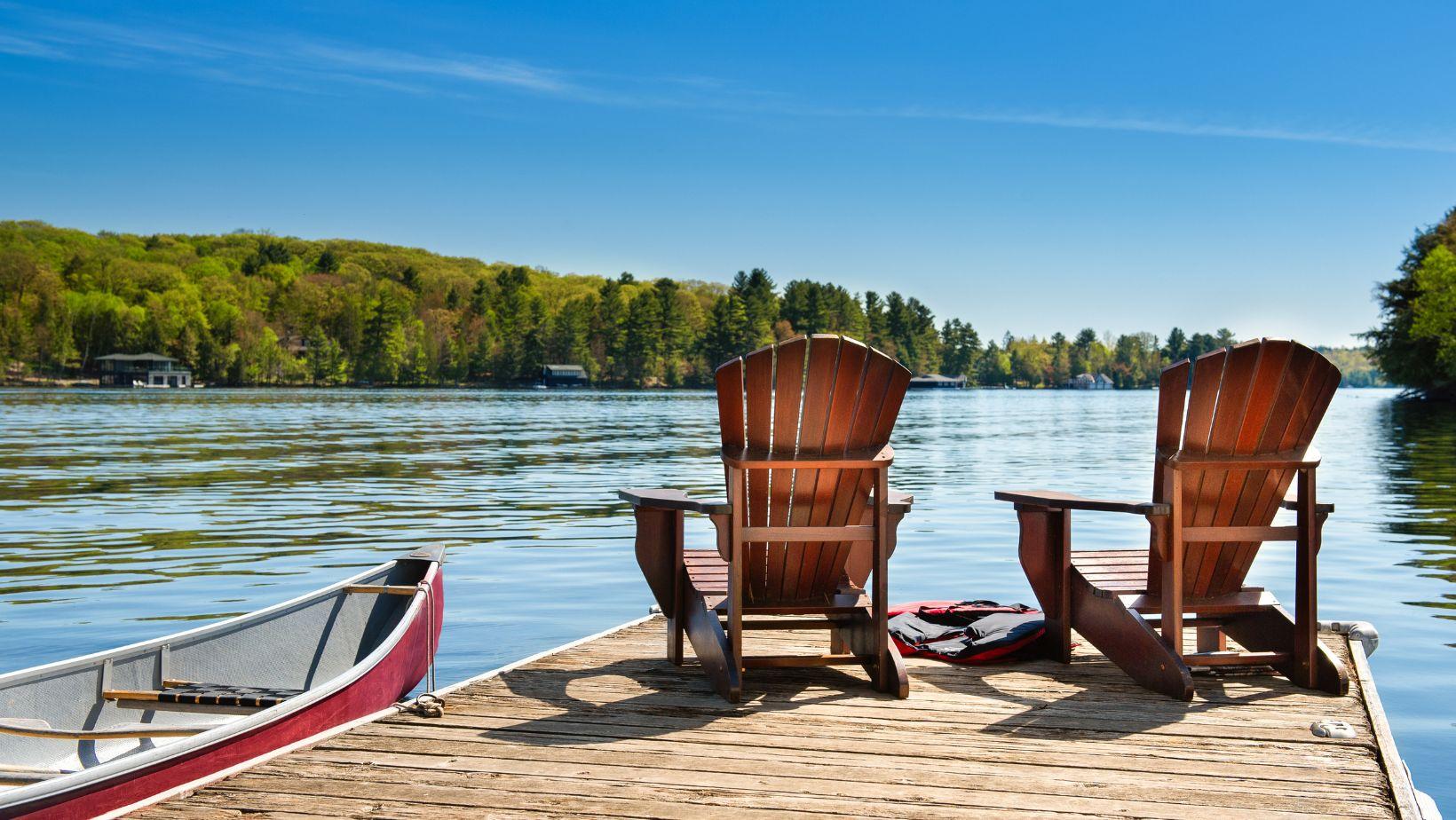
An older cottage dock is able to remain useful for many years when the frame and building materials receive consistent care. Repeated contact with water, shifting temperatures, moisture and frequent activity gradually weaken dock components. Renovating a dock is therefore a process of more than changing its appearance – this task involves finding areas of wear, replacing weak materials, strengthening connections plus making changes that help the structure withstand frequent use.
Inspect The Existing Structure
A thorough inspection is a necessary starting point for improving an older dock. Owners should look closely at the decking, framing, supports, fasteners and connections between parts. Evidence like cracked boards, rust, loose hardware, shifting sections or damaged supports indicates that specific areas require replacement or reinforcement.
Checking these parts before beginning visual improvements helps ensure that underlying problems receive attention first. The condition of the structure beneath the water surface is also important. Some damage is not obvious from the top of the dock, particularly when supports stay under water or are difficult to reach. Professional inspectors help determine if existing structural members are suitable for continued use. Finding weaknesses early prevents small amounts of decay from becoming expensive repair problems.
Choose Durable Materials
Replacing worn materials with options suited for water conditions improves the service life of a dock. Decking is most effective when selected for repeated contact with moisture and outdoor weather. Structural materials must be appropriate for the environment but also fasteners should be made of metals that do not rust. Using parts designed for marine use reduces the frequency of future repairs.
Material selection is also dependent on how residents use the dock. A cottage dock that accommodates boats, swimming or fishing requires different materials than a structure used occasionally. As an example, a dock that includes a kayak launch dock that makes stability particularly important in that area. Choosing materials based on specific activities prevents premature wear.
Strengthen Dock Connections
Loose or decaying connections affect the stability of an older dock even when the main beams appear sound. Residents should inspect bolts, brackets, hinges and screws for movement or rust. Replacing broken fasteners and reinforcing weak connections helps keep dock sections aligned as well as reduces stress on the frame.
Connections require further checks after major repairs or modifications. Adding new decking, extensions or ladders changes how weight is distributed across the structure. Making sure these additions have proper support helps preserve the existing frame. Strong connections are particularly important where different dock sections meet or where the structure moves repeatedly.
Improve Water Resistance
Water exposure is a constant challenge for a cottage dock – Materials that stay wet for long periods decay quickly, especially when drainage and air flow are limited. Designing the dock so water moves away from surfaces helps lower moisture exposure. Appropriate gaps between decking boards also support drainage and drying.
Protective treatments provide benefits for specific materials but owners should select them according to the product type or environment. Applying the wrong coating can trap moisture or create maintenance problems. The goal is to use protection that allows materials to handle the natural wet and dry conditions of a lake.
Maintain The Dock Regularly
Regular care ensures that a renovated dock remains stable and functional. Owners who inspect the structure each season can identify detached hardware, fractured wood, oxidation plus moved supports before these conditions worsen. Removing organic matter from the surface and structural joints is important because clear areas allow water to drain but also make defects visible – this process is particularly beneficial after many visitors use the dock or when the climate is harsh.
Rapid air movement, ice, heavy rain and fluctuating water depths are factors that strain the assembly. Property managers who repair minor damage immediately prevent these faults from becoming significant structural failures. Consistent upkeep is the primary method to protect the upgrades completed during a renovation.
Plan For Long Term Use
Durability is a priority when deciding which improvements are necessary. Instead of focusing only on replacing visible damage, owners should consider how the structure will function over coming years. Changes like improved access, stronger decking or better supported activity areas make the dock more practical plus lower future work.
It is also useful to consider local weather and seasonal changes when planning renovations. Water levels, ice and sunlight all influence how quickly materials decay. Designing improvements for the specific conditions helps an older cottage dock handle seasonal demands but also remain a reliable part of the property.
Conclusion
Improving the durability of an older cottage dock requires attention to the frame, materials, connections, water exposure and maintenance. A careful inspection identifies weaknesses, while suitable materials and reinforced parts provide resistance to wear. With careful renovation as well as regular upkeep, an aging dock is able to serve the cottage for many seasons.