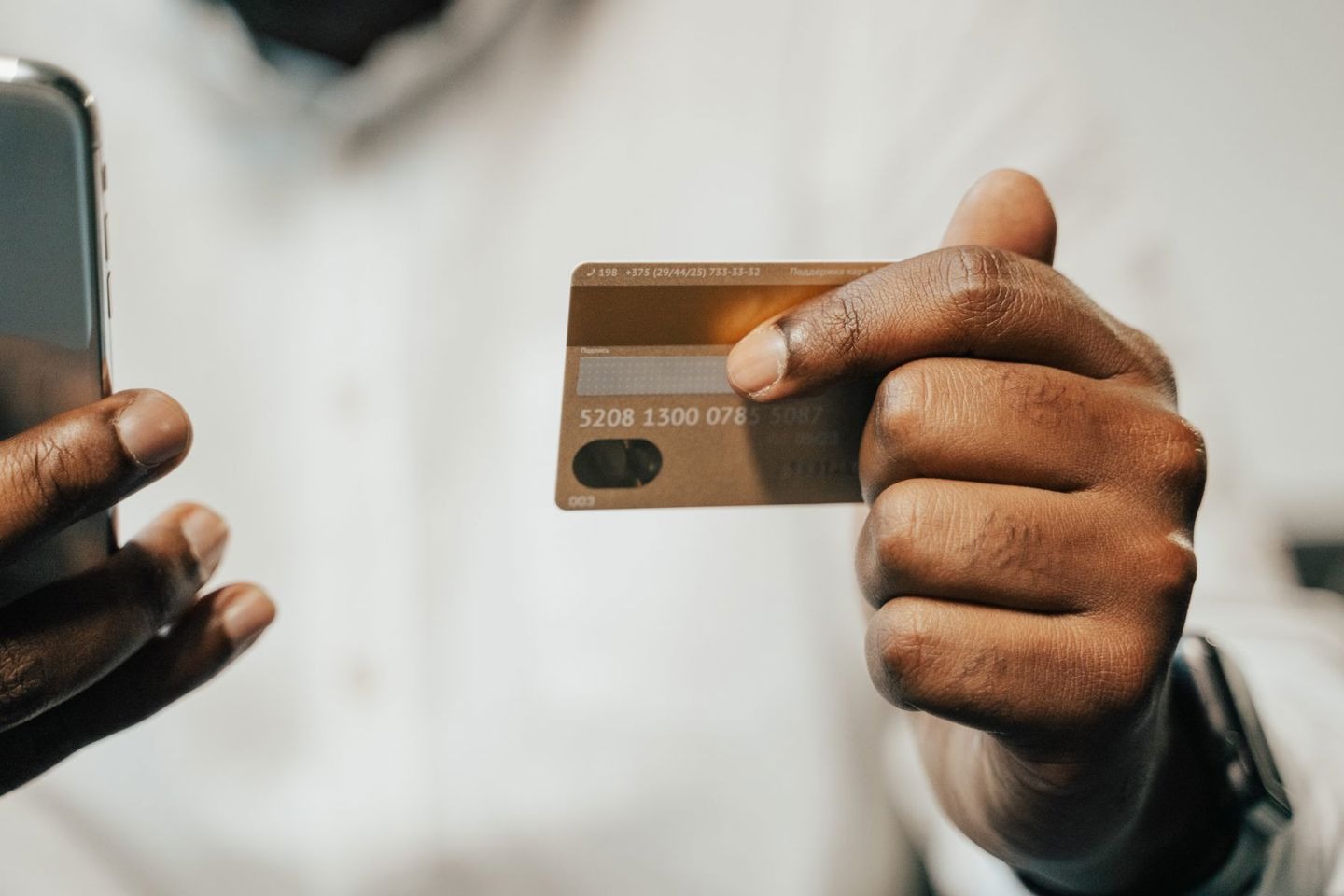
Payment speed used to sit in the background of online gaming. Players chose a payment method, completed the transaction and then moved on to the games. Now, that separation has become harder to maintain as digital payments elsewhere on the internet have grown faster.
The change goes well beyond online casinos. Worldpay’s Global Payments Report 2026 found that digital wallets accounted for 56% of global e-commerce transaction value in 2025. The research was based on more than 63,000 consumers across 42 markets, showing how firmly fast digital payment methods have entered everyday online commerce.
Online casino users bring those same expectations with them. Someone who can move money through a banking app within moments is unlikely to view payments as a separate technical process when visiting an online gaming platform. If you are visiting an established platform like Jackpotcity, then you will get to understand why payments are now sitting alongside game selection and account navigation as part of the wider online experience.
Everyday digital payments have changed expectations
The way people pay for everyday services has changed what they expect when moving money online. Instant bank transfers and faster digital payouts have made shorter processing times more familiar, and those expectations increasingly carry over into online casino gaming.
Visa reported in January 2026 that 41% of US consumers receiving disbursements used instant payment rails as their most-used method in May 2025, up from 33% in 2021. That shift is relevant to online casinos because players do not judge casino payments in isolation. Their expectations are shaped by how quickly money moves through the other digital services they use.
A player might transfer money through a banking app and see confirmation almost immediately. Later, when that same person logs into Jackpotcity, the deposit process becomes part of the gaming experience rather than a separate financial task. If funds are credited quickly, the player can move from account funding to browsing available games with little interruption.
Withdrawals have also become more closely connected to how players assess an online casino experience. Once a gaming session ends, the payment process becomes the next interaction with the platform. Players who are accustomed to faster digital transactions elsewhere are therefore more likely to notice how efficiently a casino processes a withdrawal request.
This is why payment speed now matters alongside features such as game navigation and mobile usability. A platform such as Jackpotcity operates within the same digital environment as banking apps and other online services, so payment expectations formed elsewhere naturally follow players into online casino gaming.
Faster payments can make a gaming session feel more connected
Payment speed can influence how smoothly a player moves through an online casino session. Funding an account is often the point where browsing turns into active play, so delays at that stage can interrupt the natural progression from choosing a game to starting it.
When payments are processed quickly, that transition feels less noticeable. A player using Jackpotcity, for example, may move from making a deposit to exploring the game lobby without treating the payment process as a separate task. The transaction remains important, but it becomes more closely integrated with the overall gaming experience.
The same connection continues when a player finishes a session. Requesting a withdrawal is not experienced as something completely detached from the casino. It is often the final stage of the interaction with the platform, which means the way that request is handled can influence how complete and cohesive the experience feels.
This is where faster payment systems are changing expectations. Players increasingly encounter near-instant transactions in banking and e-commerce, so they are becoming accustomed to shorter gaps between initiating a payment and seeing the result. Online casinos operate within that same digital environment.
Digital wallets have helped redefine the payment process
Digital wallets have changed online casino payments by shortening the distance between a player’s bank account and casino balance. Rather than entering payment details for each transaction, a player can use an established wallet to authorize a deposit through a payment method they may already use elsewhere online. That familiarity has made wallets an increasingly important part of the iGaming cashier.
The scale of their adoption within online betting illustrates the shift. Paysafe’s All the Ways Players Pay 2025 research surveyed 4,300 online bettors across Europe, North America and Latin America. It found that 78% of respondents used digital wallets either always or sometimes when depositing or withdrawing, while 30% said they always used them.
Speed is among the major reasons why wallets have gained this position. Paysafe’s 2025 research found that digital wallets were a preferred payment method for 38% of global online bettors, placing them close behind debit cards at 42%. This matters to online casinos because payment expectations are increasingly shaped by methods that allow money to move with relatively little friction.
Faster payments are reshaping how players experience online casinos, particularly when moving between deposits, gameplay and withdrawals. As digital payment habits continue to evolve, casino platforms are operating in an environment where speed and convenience increasingly influence how seamless the overall gaming experience feels.