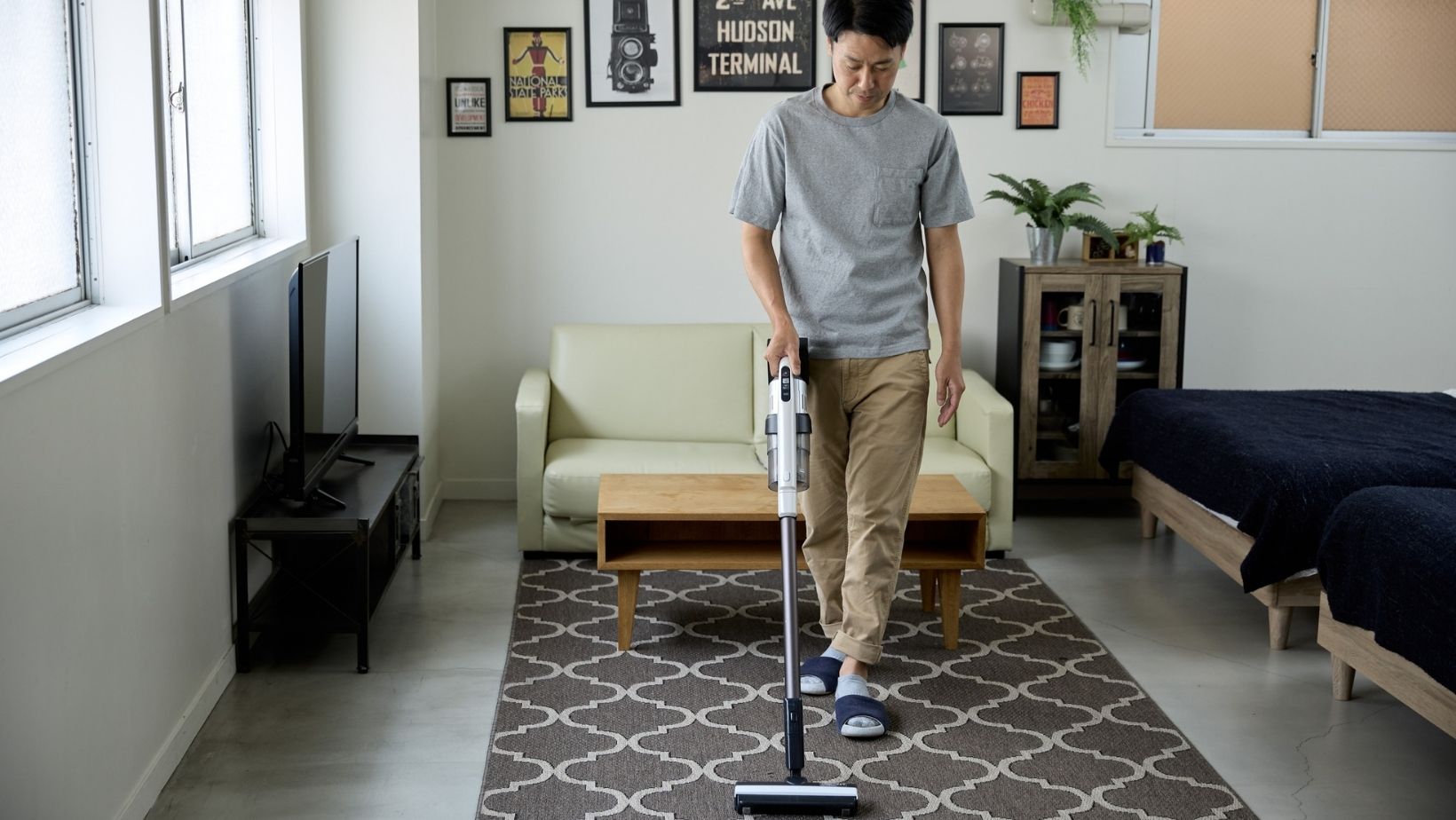
A clean home is about far more than appearances. Routine tidying keeps surfaces looking presentable, but deep cleaning addresses the hidden buildup of dust, allergens, and grime that everyday maintenance simply cannot reach. Most households rely on a combination of tools — vacuum cleaners, microfiber cloths, mops, and gentle all-purpose cleaners — to tackle these deeper layers of dirt. Whether you share your space with children, pets, or allergy sufferers, developing a realistic deep cleaning habit can meaningfully improve indoor air quality, support respiratory health, and make your home a genuinely more comfortable place to live.
Deep Cleaning vs. Everyday Cleaning
Routine cleaning covers the obvious: wiping countertops, sweeping floors, washing dishes. Deep cleaning goes considerably further — behind appliances, under furniture, into carpet fibres, and across soft furnishings where dust mites, pet dander, and mold spores quietly accumulate over time.
Health and allergy organisations consistently identify reducing indoor allergens as a key step in managing respiratory sensitivities. Soft surfaces — mattresses, upholstered furniture, curtains — are particularly effective reservoirs, since their fibres trap fine particles that standard cleaning passes right over. Beyond physical health, a thoroughly cleaned space also supports mental well-being, reducing visual clutter and creating a sense of calm that a surface tidy rarely achieves.
Planning Your Home Deep Clean
Before reaching for a single cloth, walk through your home and identify the “hot spots”: high-traffic entryways, the bedroom, the kitchen, and the bathroom. These four areas most directly affect daily comfort and health, making them natural priorities.
The key to avoiding overwhelm is breaking the project into manageable sessions. One room per weekend, or a single focused task each Sunday afternoon, is far more sustainable than attempting a whole-house overhaul in a single day. Think of someone daunted by a cluttered three-bedroom flat: by committing to just one room each week, they can complete a full deep clean within a month — without exhaustion or burnout.
Gather your essentials before you begin:
– Microfiber cloths (their fine fibres trap dust far more effectively than traditional cotton)
– A mop and bucket for hard floors
– Gentle all-purpose cleaner, glass cleaner, and food-safe surface spray
– Scrub pads, a dusting brush, and protective gloves
– A vacuum with effective filtration for both floors and soft furnishings
Room-by-Room Priorities
Bedroom: Wash all bedding regularly, including mattress covers and pillow protectors. Vacuum the mattress surface and dust hard-to-reach spots like the tops of wardrobes and behind headboards. For allergy sufferers, allergen-proof mattress and pillow encasements offer lasting protection — particularly worthwhile given that we spend roughly a third of our lives in this room.
Living Areas: Concentrate on under and behind furniture, upholstered cushions, and electronics, where dust tends to collect undisturbed. Households with pets and young children typically notice a significant reduction in visible fur and lingering odours once quarterly deep cleans become part of the routine. Always follow manufacturer care instructions for fabrics to avoid accidental damage.
Kitchen: Degrease stovetops, range hoods, and backsplashes. Clean fridge door seals and microwave interiors, and wipe down cabinet handles where oils and residue accumulate. It’s worth keeping in mind the distinction between cleaning (removing dirt) and disinfecting (reducing microorganisms) — both matter in food preparation areas, and food safety guidelines recommend sanitising any surfaces that come into contact with raw ingredients.
Bathroom: Focus on grout lines, around faucets, and shower corners, where mold and mildew are most likely to take hold. Adequate ventilation — running an exhaust fan or opening a window — is essential both during cleaning and as an ongoing habit to control moisture and limit mold growth.
Reducing Allergens and Improving Indoor Air
Common allergen reservoirs include carpets, rugs, upholstery, curtains, mattresses, and pet bedding. Dust mites are especially problematic, thriving in warm, humid environments rich in fabric and organic debris. Washing soft furnishings regularly, minimising clutter, and ventilating rooms during cleaning all contribute to healthier indoor air. Keeping filters clean in home ventilation systems adds yet another layer of protection.
Building a Sustainable Routine
A simple framework goes a long way toward preventing tasks from piling up:
- Monthly: Wash bedding, clean the bathroom thoroughly, wipe down kitchen appliances
- Quarterly: Deep clean upholstery, vacuum mattresses, clean behind large appliances
- Annually: Wash curtains, clean windows inside and out, address grout and sealant
When motivation dips — and it will — focus on the highest-impact areas first and break tasks into 15–20 minute segments. Enlist other household members where possible, and adapt the schedule honestly to your own capacity. Perfection is never the goal.
Key Takeaways
– Deep cleaning improves indoor air quality and supports health in ways routine tidying simply cannot.
– Target the spaces where you spend the most time — the bedroom, living areas, kitchen, and bathroom.
– Break tasks into small, repeatable steps to build a sustainable habit rather than a stressful one-off event.
A cleaner home isn’t the result of a single exhausting effort — it’s the outcome of consistent, manageable actions repeated over time. By focusing on the spaces that matter most and using the right basic tools, any household can create an environment that genuinely supports health, comfort, and peace of mind. Pick one room or one task to start with this week, and let that first step build its own momentum.