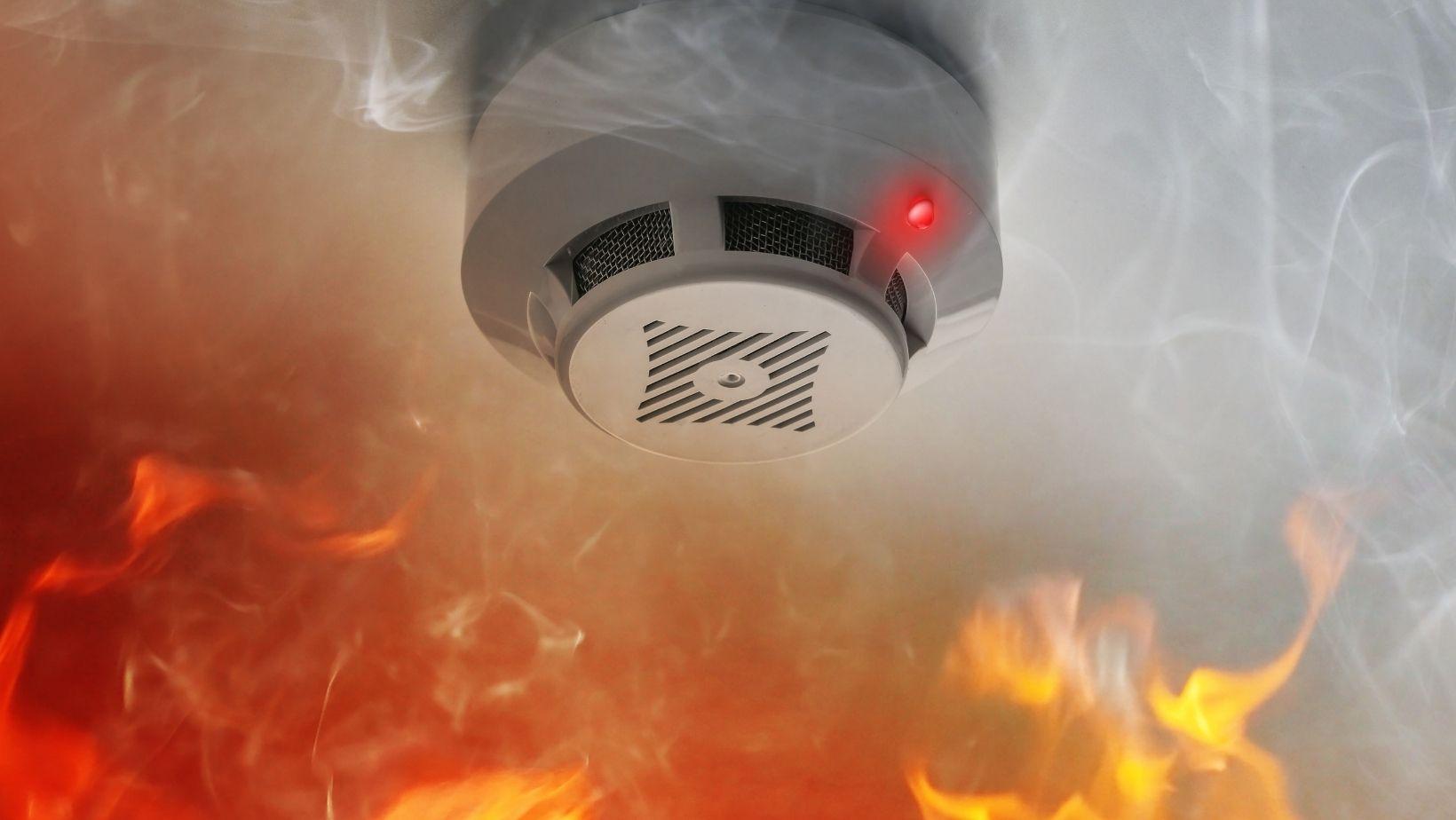
Fire emergencies don’t wait for convenient hours—and neither do system failures. When a fire alarm goes down in the middle of the night, property owners and managers face a critical question: what now?
A non-functional fire alarm system creates an immediate safety risk and, in many cases, triggers legal obligations that must be addressed without delay. Knowing exactly what to do in those first few hours can make all the difference.
Why a Fire Alarm Failure Is a Serious Emergency
Fire alarm systems are designed to provide early detection and alert occupants before a fire spreads. When that system fails, a building becomes significantly more vulnerable.
At 2 AM, the risks are even greater:
Without a functioning alarm system, even a small fire can escalate quickly before anyone notices.
Step 1: Confirm the Extent of the Failure
The first step is to determine whether the issue is:
Building management or maintenance teams should immediately investigate and document the problem. Even if the issue appears minor, it must be treated seriously until resolved.
Step 2: Notify the Appropriate Authorities
In most jurisdictions, fire code regulations require that system impairments be reported promptly.
This may include:
Regulations often follow standards set by the National Fire Protection Association, which emphasize immediate action during system failures.
Step 3: Implement a Fire Watch Immediately
If the fire alarm system cannot be restored quickly, a fire watch is typically required.
This involves assigning trained personnel to:
For property owners in the region, arranging New Jersey fire watch services quickly is essential to remain compliant with local regulations and ensure occupant safety.
Step 4: Increase On-Site Vigilance
In addition to fire watch personnel, building management should take extra precautions during the outage:
These measures help reduce risk while the system is being repaired.
Step 5: Begin Repairs Without Delay
Fire protection systems must be restored as quickly as possible. This typically involves:
Delays in repairs can extend the period of vulnerability and increase liability.
Legal and Compliance Implications
Failing to act promptly after a fire alarm failure can result in serious consequences.
These may include:
Fire safety regulations are designed to protect lives, and non-compliance is treated accordingly.
Why Fire Watch Is Critical During Overnight Failures
At night, buildings are often at their most vulnerable. Reduced staffing and lower visibility can delay detection and response times.
Fire watch personnel provide:
This human oversight is especially important during overnight hours when risks are heightened.
Preventing Future System Failures
While not all failures can be avoided, proactive maintenance can reduce the likelihood of unexpected outages.
Best practices include:
A well-maintained system is less likely to fail when it’s needed most.
The Cost of Inaction
Ignoring or delaying action after a fire alarm failure can have severe consequences:
Acting quickly and decisively is the best way to minimize these risks.
Final Thoughts
A fire alarm failure at 2 AM is more than an inconvenience—it’s an emergency that requires immediate attention. From notifying authorities to implementing a fire watch, every step taken in those first hours is critical.
For property owners and managers, being prepared for these situations ensures not only compliance with regulations but also the safety and well-being of everyone inside the building.