We used to think of neuromodulators as the “off switch” for facial expressions. You’d go in, get a few units in the forehead, and suddenly you couldn’t look surprised even if you won the lottery. It was all about the muscle. Heavy hitting. Stopping the movement to stop the wrinkle. But things have changed lately. We are seeing a massive pivot in how practitioners use these toxins. It isn’t just about paralysis anymore; it’s about the canvas itself.
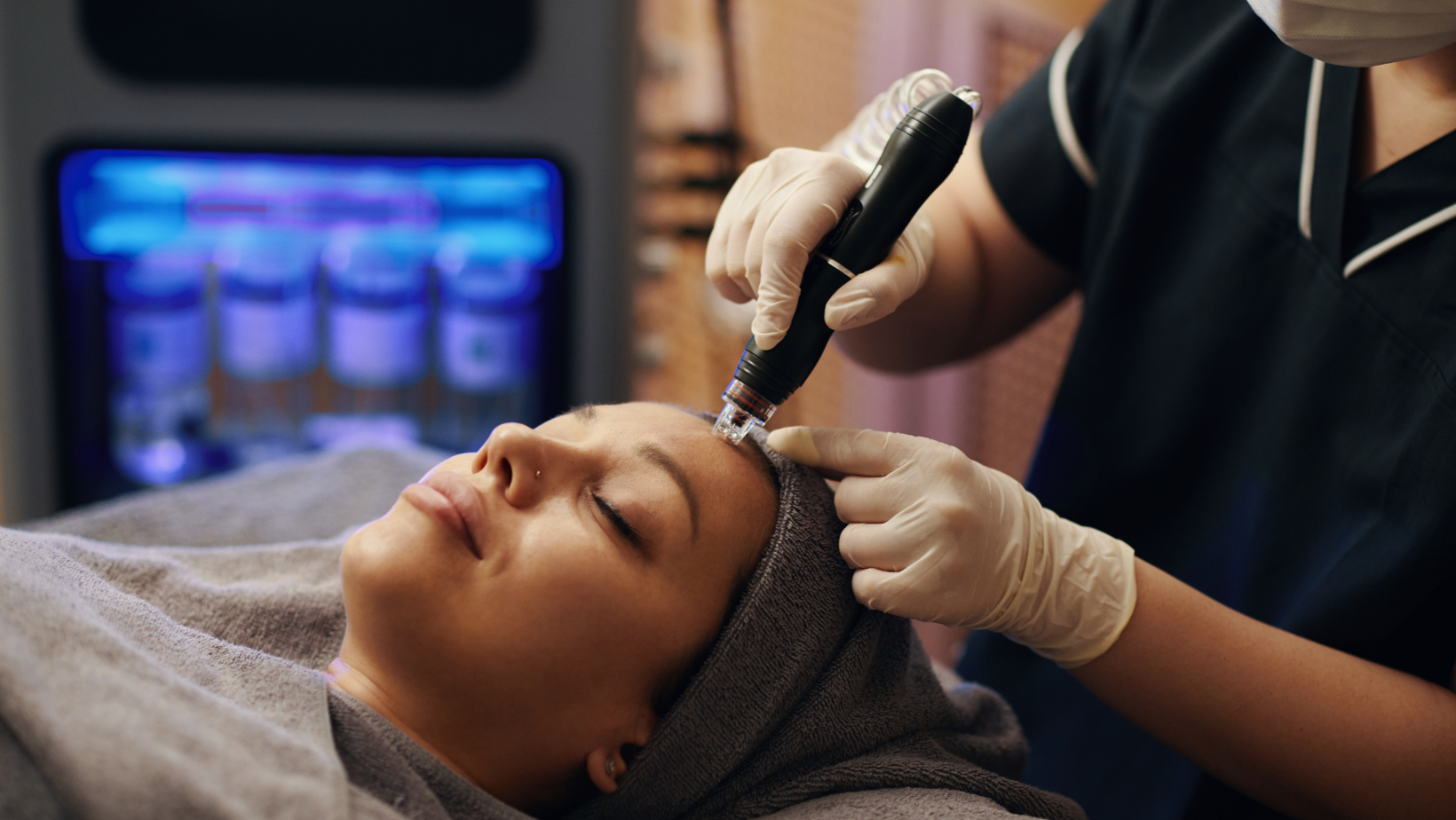
The industry is calling it Micro-Tox, or sometimes Intradermal Botox. It sounds technical, but the logic is actually pretty simple. Instead of going deep into the muscle belly to freeze movement, the injector stays right on the surface. We are talking about the dermis. This is where the magic happens for skin quality. When you hit this layer, you aren’t stopping the person from smiling. You are changing how their skin reflects light.
People are tired of the “glass” look that feels like plastic. They want skin that looks like skin, just… better. The goal here is texture. It’s about the fine architecture of the pores and the way the oil glands behave. By diluting the product and spreading it thin across a wider area, the result is subtle. It’s the difference between a heavy-duty paint job and a soft-focus filter.
Redefining Pore Architecture and Oil Control
Our pores are essentially the vents of our skin. They have these tiny little muscles attached to them: the arrector pili. Usually, we talk about these muscles in the context of goosebumps. However, when they are hyperactive or when the skin loses its snap, pores look huge. They gape. Micro-Tox works by gently relaxing these microscopic structures. It doesn’t close the pore completely, because that would be a biological disaster; it just lets the opening sit tighter.
Then there’s the sweat and sebum factor. If you’ve ever dealt with a T-zone that feels like an oil slick by noon, this is where the analysis gets interesting. The toxin interferes with the chemical signals that tell your sweat and oil glands to go into overdrive. It creates this matte, airbrushed finish that topical primers can only dream of. It’s internal skincare.
- Pore Constriction: Reducing the physical diameter of the pore opening for a smoother visual plane.
- Sebum Regulation: Controlling the output of oil to prevent that mid-day shine and reduce congestion.
- Sweat Reduction: Minimizing localized perspiration, which often keeps makeup in place longer and improves overall skin clarity.
Finding the right balance requires high-quality product and precise dilution ratios. Many clinics looking to offer this specialized treatment need to ensure they have a consistent and authentic inventory. For professionals managing a high volume of patients, sourcing through a reliable wholesale Botox supply online ensures that the potency remains predictable; a necessity when you are working with the high-dilution techniques required for intradermal delivery. When the product is consistent, the results on the skin’s surface are far more reliable.
The Death of the Heavy Forehead
Nobody wants the “heavy brow” anymore. You know the look; where the forehead is so frozen it actually pushes the eyebrows down, making the eyes look small and tired. The Micro-Tox approach avoids this pitfall entirely. Because the injections are superficial, the frontalis muscle—the one that lifts your brows—retains its strength. You can still express yourself. You can still look human.
What vanishes instead are those “etchings.” Those tiny, crepey lines that appear when you aren’t even making an expression. Those are usually the result of dermal thinning and constant micro-movements of the skin. By treating the skin layer rather than the deep muscle, you iron out the surface without compromising the underlying mechanics of the face.
The nuance here is incredible. We are moving toward a “sprinkle” technique. A little here, a little there. It’s about the global appearance of the face rather than fixing one specific fold. It’s holistic. It treats the face as a single landscape rather than a series of isolated problems to be solved with a hammer.
Breaking Down the Layers
The skin isn’t a single sheet; it’s a complex stack. When we inject deep, we ignore the top three millimeters. Micro-Tox lives in those top three millimeters. This is where the collagen lives. This is where the redness lives. By targeting this zone, we also see an improvement in flushing and redness. The toxin has a strange, yet effective, way of calming the micro-vasculature. People with rosacea or general ruddiness often find their skin looks much more “quiet” after a session.
It’s a bit of a psychological shift for the patient, too. You aren’t going in to “fix a wrinkle.” You are going in to optimize your skin’s performance. It’s more like a high-end facial that happens to use a needle. The downtime is almost non-existent because the needles are so tiny and the depth is so shallow. You might have some tiny bumps for an hour, looking a bit like you walked through a swarm of gnats, but then they vanish.
Longevity versus Subtlety
The trade-off is always there. If you freeze a muscle solid, it stays frozen for three or four months. When you do micro-dosing for skin texture, the results might fade a bit faster. The skin cells turn over. The glands eventually find their voice again. Most people find they need a refresh every eight to ten weeks to keep that specific glow.
But the fans of this method don’t mind. They prefer the frequent, light touch-ups over the “peak and valley” cycle of traditional injections. They don’t want the world to know they had a “treatment day.” They just want people to ask why their skin looks so rested. It’s the ultimate “stealth” procedure.
We also have to consider the long-term health of the skin. Constant deep paralysis can lead to muscle atrophy over decades. While that helps with wrinkles, it can sometimes lead to a loss of volume that looks aging in its own way. Micro-Tox keeps the muscles active and healthy while the skin stays tight and refined. It’s a more sustainable way to age.
Why the “Glass Skin” Trend is Changing
We’ve been obsessed with “glass skin” for years. Usually, we try to get it with ten-step routines and endless layers of hyaluronic acid. But there’s a limit to what topicals can do. They sit on top. They can’t change the signaling of a sebaceous gland. They can’t physically tighten the pore architecture.
Micro-Tox is essentially the shortcut to that look. It’s the “filter” that doesn’t wash off at night. As we see more people moving away from heavy fillers and toward skin-quality-focused treatments, this technique is going to dominate. It represents a more sophisticated understanding of beauty; one that values the health and texture of the tissue over the total elimination of movement.
The analysis is clear: the future of aesthetics is small. Small doses. Small depths. Massive impact on confidence. We are finally learning that sometimes, less really is more, especially when you are dealing with the delicate balance of the human face.