
Social casino gaming has been around for years, but it has recently started appearing in market reports and app charts as a noticeable branch of online entertainment. It sits next to puzzle titles, idle clickers and casual strategy games as one of the small digital hobbies people rotate through during the day. Analysts who evaluate the rightt social casinos usually focus on how well these experiences deliver theme variety, fast visual feedback and short-session play, which helps explain why interest appears to be climbing among adults who want light entertainment rather than competitive gaming. The trend is not explosive, but it is steady enough to attract attention from researchers who track digital habits.
The key distinction with social casino gaming is that there is no real money involved. People use virtual currency, unlock themes and progress through level systems without wagering or financial risk. The software may resemble slot machines or table layouts in appearance, but it functions more like a casual mobile game than anything in the gambling sector. As a result, lifestyle and technology writers categorize social casino products as entertainment rather than betting, which is important for understanding how they fit into today’s digital landscape.
Growing Interest in Social Casino Games
One of the reasons interest has grown is simply the way people now consume entertainment. Most digital leisure does not happen in long, uninterrupted blocks anymore. Someone might open a puzzle app for two minutes, scroll through social feeds for five minutes, then watch half a video while waiting for a train. Social casino games are built for that type of rhythm. Sessions can be started and stopped instantly and the feedback is immediate. There is no need to learn complex mechanics or commit to 40-minute matches, which makes the format accessible to people who do not identify as gamers in the traditional sense.
Cultural familiarity makes the barrier even lower. Casino imagery has been in movies, television and advertising for decades, so the visual language feels recognizable. Once that imagery is paired with virtual currency and free-to-play design, the result becomes more approachable than genres that require strategy or reflexes. Many adults prefer entertainment that does not feel like work and social casino products lean into that preference with sound cues and visual effects rather than skill gates.
Data Shows a Rise in Digital Leisure Engagement
Recent market research supports the idea that social casino gaming is gaining ground. A 2024 global market report distributed through PR Newswire estimated the social casino segment at roughly 7.39 billion dollars in 2023 with a projected rise to about 7.99 billion dollars in 2024. Another forecast from Dataintelo placed the category at approximately 8.3 billion dollars in 2024 with continued growth expected through the decade. The numbers vary slightly by source, which is common in market research, but all point in the same direction.
These figures make more sense when viewed alongside general mobile activity. Sensor Tower’s State of Gaming 2025 report found that mobile gaming time increased by around 7.9 percent in 2024 compared with 2023 and that the total number of gaming sessions climbed by roughly 12 percent during the same period. Casual titles accounted for a significant share of that movement, according to their breakdown. When more people play casually on their phones, categories built around quick loops and approachable mechanics tend to benefit. Social casino gaming falls squarely into that model.
What Attracts Adults to Social Casino Games
Interviews and survey comments suggest a few common themes about why adults engage with social casino titles. The most obvious is audiovisual feedback. Spins, animations, virtual coin bursts and level-ups provide constant reinforcement. It is the same basic psychology that makes puzzle chains or idle-clicker rewards satisfying. Progress bars and theme unlocks add a sense of forward movement without demanding major time investment.
Another factor is that the environment does not hinge on winning or losing in a competitive sense. Many popular game genres rely on ranked ladders, skill brackets, or story challenges. Social casino games are more about atmosphere than mastery. They are easy to pick up after long breaks, as nothing needs to be relearned. For people who have busy schedules or fragmented attention windows, consistency and simplicity can be appealing.
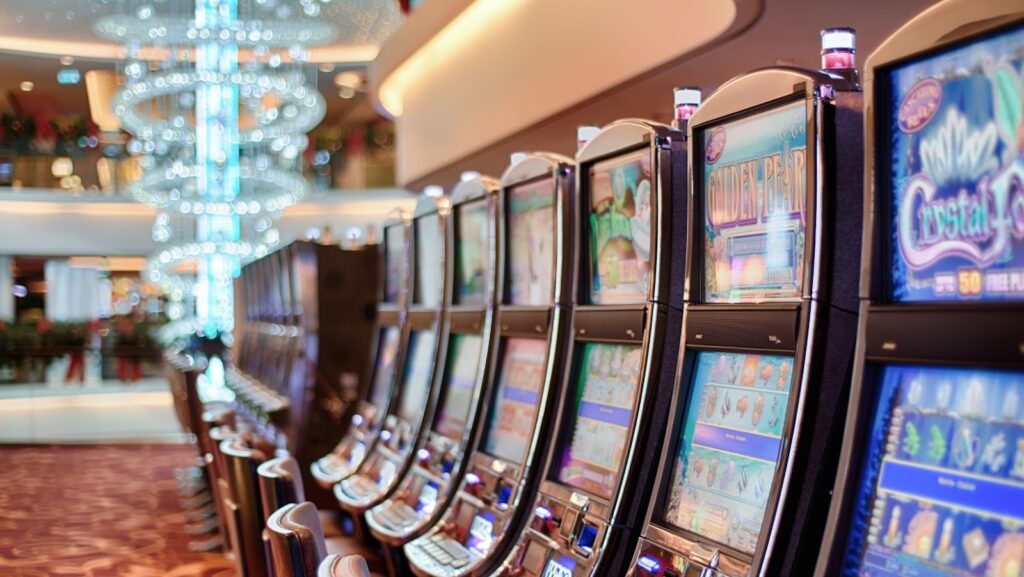
The variety of themes also matters more than it might seem. Social casino titles often rotate through historical settings, fantasy styles, wildlife motifs, holiday events and movie-like productions. Seasonal visuals or limited-time skins give users something new to look at even if the mechanics stay recognizable. Some players describe it as “visual comfort food,” which aligns with how casual entertainment functions elsewhere.
Social Casino Games in the Broader Digital Culture
In a wider cultural context, social casino gaming fits neatly into what researchers sometimes call micro-leisure. Micro-leisure refers to short, self-contained digital activities people perform throughout the day, often as breaks between responsibilities or as companions to television or music. Examples include word puzzles, idle clickers, short-form video scrolling and casual mobile titles. The common link is that none require extended focus.
Analysts who study digital culture do not treat social casino games as competitors to AAA titles or esports. Instead, they group them with lifestyle apps, casual puzzles and hybrid entertainment formats. The category functions best when people are multitasking or occupying time on their phones during travel, commuting, or relaxation at home. It is less about replacing larger forms of entertainment and more about filling the small gaps that already exist in daily routines.
Whether the category continues expanding at the same pace remains to be seen, but the current environment favors it. Adults already carry smartphones everywhere, notifications drive frequent app visits and virtual progression systems are familiar across many genres. Social casino gaming benefits from those existing habits rather than needing to create new ones. For that reason, researchers expect it to remain a visible part of digital leisure even as the broader entertainment landscape continues to shift.